- Community Resiliency Model
- Grounding skills practice
- Communication habits work
About Andrea
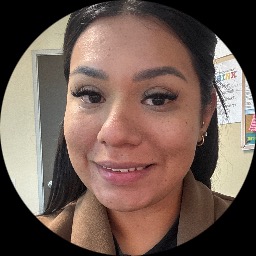
Andrea Martinez is a Licensed Clinical Social Worker (LCSW) with four years of clinical experience in California. She lists stress, anxiety, self-esteem, coping with life changes, and ADHD among the concerns she works with, and also focuses on communication problems, isolation and loneliness, life purpose, multicultural concerns, self-love, and young adult issues.
Andrea learned much of her practice working in a county mental health setting with youth. She uses practical, skills-based methods so people have tools they can use between sessions. Conversations are straightforward and focused on small, manageable steps someone can try right away.
Her use of the Community Resiliency Model centers on body-centered grounding skills. Clients are shown simple techniques to notice physical signals and reduce overwhelming stress. These tools aim to help with emotion regulation and staying present during hard moments.
Sessions also include discussion of communication habits and patterns that keep conflicts repeating. Andrea helps people name patterns, try new ways of speaking, and practice short scripts or phrases to use in real situations. She keeps sessions goal-oriented and action focused.
Andrea speaks English and Spanish. She works from a social work perspective and emphasizes building practical coping strategies. To get started, prospective clients follow the provided matching steps to schedule an initial appointment and see which arrangements best fit their life.
Therapeutic approaches and how online sessions fit
Andrea regularly uses the Community Resiliency Model, which teaches simple grounding and body-awareness techniques. This approach helps people notice physical signs of stress and apply quick skills to calm the body and reduce overwhelm.She also emphasizes practical skills for communication. That looks like identifying unhelpful patterns, scripting short phrases, and rehearsing new ways of speaking so conversations go differently in real life.
Finding the right approach is collaborative. The therapist and client talk through current problems, goals, and preferences, then try methods that match those needs. Adjustments are made based on what is working and what feels manageable for the client.
Session formats are not specified in the biography, so confirm the current online options before booking. Online work can make it easier to fit therapy into a busy schedule, allow shorter focused check-ins when needed, and reduce travel time. It can also let someone practice communication skills in a familiar daily rhythm while still getting professional guidance.
Areas of expertise
Additional focus areas
Experience
4+ years
Credentials
California
Languages
English, Spanish
Frequently asked questions
What concerns does she address?
She works with stress, anxiety, low self-esteem, coping with life changes, ADHD, and communication problems among other related issues.
What is her typical approach in sessions?
Sessions focus on practical, skills-based methods. Expect grounding techniques and short practice exercises you can use outside sessions.
How much clinical experience does she have?
She has four years of experience working in clinical settings, including county mental health work with young people.
What are her credentials and where is she based?
She is a Licensed Clinical Social Worker (LCSW) licensed in California and provides services from that state.
Which languages are supported?
Sessions are offered in English and Spanish.
Can international clients work with her?
International clients are not currently accepted.
How are sessions paid for?
Cost varies with location and services. Sessions use a subscription that can be canceled at any time.
How do I begin working with her?
Use the See online therapy options button, complete the short matching questionnaire, and schedule a first session through the platform.
Online talk therapy is not emergency care, and no counselor can promise how a conversation or a relationship will turn out. If you feel unsafe, call or text 988, or call 911. Crisis information