- Communication skills
- Social anxiety
- Life purpose work
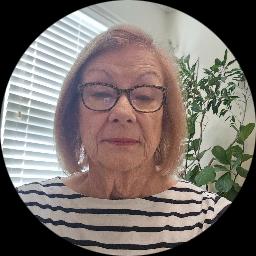
About Carolyn
Carolyn Lafavre is a Licensed Professional Counselor (LPC) in Missouri with 30 years of experience. She focuses on family concerns and communication problems, and also works with life purpose and social anxiety. Carolyn uses direct, practical methods to help people who struggle to speak up or who keep getting stuck in the same arguments.
She helps people learn clearer ways to say what they need. Sessions often include practicing what to say, identifying unhelpful patterns, and planning small steps to try between meetings. Carolyn emphasizes skills that can be used in everyday life rather than abstract theories.
Her work is collaborative. She listens to what a person wants to change and then suggests concrete techniques to try. For social anxiety she breaks interactions down into manageable steps and coaches on exposure and coping strategies.
When family dynamics are the issue, she helps people notice interaction cycles and try different responses. For life purpose concerns she guides reflection on values and small experiments to discover what fits better. Her focus is on useful habits and clear communication rather than lengthy interpretation.
Carolyn has practiced for three decades in Missouri and draws on that experience when helping people set realistic goals. She asks practical questions, tracks progress, and adjusts the plan as needed. To begin, she recommends using the site’s matching tool and scheduling an initial session to discuss specific goals.
Therapeutic approaches for online communication work
Carolyn uses evidence-based therapeutic techniques focused on practical change. One common approach is behavioral exposure work, which breaks feared social situations into small steps and practices them until reactions ease. This helps with social anxiety and awkward interactions by building familiarity and confidence. Another common approach is skills-based communication coaching, which teaches specific phrasing, timing, and boundary techniques to reduce repeated arguments and improve clarity.Choosing the most helpful approach is part of the work together. Carolyn will discuss options, test what fits, and adapt methods based on a client’s goals and preferences. The plan is collaborative and revisited over time so techniques match what a person needs right now.
Confirm the available session formats before booking, as the biography does not list specific formats. Online sessions can make it easier to fit therapy into a busy week, shorten travel time, and allow quick check-ins between in-person commitments. Some people prefer a phone check-in when they need less bandwidth, while others choose video to role-play conversations and get visual feedback. Discuss format preferences during the first scheduling step so sessions can be arranged to suit everyday life.
Areas of expertise
Primary focus
Additional focus areas
Experience
30+ years
Credentials
Missouri
Languages
English
Frequently asked questions
What concerns does she help with?
She focuses on family issues and communication problems, and also works with life purpose and social anxiety.
What is her therapeutic style?
Her approach is practical and collaborative, emphasizing skill-building, real-life practice, and clear steps to change interaction patterns.
How much experience does she have?
She has 30 years of clinical experience working with communication and family-related concerns.
What credentials and location apply?
She is an LPC (Licensed Professional Counselor) licensed in Missouri and practices from that state.
Which languages are offered?
Sessions are offered in English.
Does she work with international clients?
International clients are not currently accepted.
How are sessions paid for?
Cost varies with location; sessions use a subscription that can be canceled at any time.
How do I start a first session?
Select the See online therapy options button, complete a short matching questionnaire, and schedule a first session.
Online talk therapy is not emergency care, and no counselor can promise how a conversation or a relationship will turn out. If you feel unsafe, call or text 988, or call 911. Crisis information