- person-centered approach
- CBT techniques
- mindfulness tools
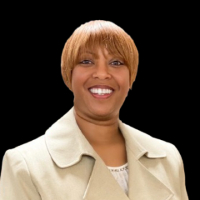
About Donyetta
Donyetta Cross is an LPMHC (Licensed Professional Mental Health Counselor) practicing in Delaware with 15 years of experience. She works with concerns such as anxiety, depression, relationship conflicts, self-esteem struggles, grief, and communication problems. Her practice focuses on practical ways to talk about what matters and to reduce repeated patterns that keep causing pain.
She uses a person-centered approach that centers the client's perspective and goals. In sessions she combines cognitive behavioral ideas with mindfulness and solution-focused strategies to identify unhelpful thoughts and small steps that lead to change. Motivational interviewing is used to clarify what matters most and to strengthen commitment to concrete actions.
Donyetta describes therapy as collaborative work. She listens for how a person's history, beliefs, and daily habits shape arguments, avoidance, and stress. Then she helps people try short experiments to test new ways of speaking and relating, and to notice what changes.
Her background includes supporting people through parenting strain, intimacy-related concerns, anger, and life-purpose questions. She emphasizes gradual skill building - for example improving how someone brings up difficult topics, managing strong emotions in the moment, and restoring connection after conflicts.
Practical tools are mixed with reflective conversation. Sessions often involve setting small goals, practicing communication skills, and checking what worked between meetings. People who want clearer ways to express needs and end repetitive arguments may find this approach useful.
How her approaches translate to online work
Donyetta commonly blends client-centered work with cognitive behavioral therapy and mindfulness in sessions. Client-centered work means the conversation starts with what the client says matters and builds goals from there. CBT looks at thought patterns and practical behavior changes to reduce anxiety or repeated arguments. Mindfulness practices help people notice strong feelings and choose a response rather than react automatically.Choosing the right approach is part of the process. She will work collaboratively to test methods and adjust based on what fits the client's needs and preferences. That might mean spending a few sessions on skill practice or combining short mindfulness exercises with problem-solving steps.
Session formats are not specified in the biography, so confirm current session options before booking. Online work can make it easier to fit sessions into a busy week, allow for shorter check-ins when time is limited, or reduce travel time. These practical benefits can help people keep momentum while learning clearer ways to bring up difficult topics and to handle conflict more effectively.
Areas of expertise
Primary focus
Additional focus areas
Therapeutic approaches
Experience
15+ years
Credentials
Delaware
Languages
English
Frequently asked questions
What concerns does she focus on?
She focuses on stress, anxiety, depression, relationship conflicts, self-esteem, grief, parenting, anger, ADHD, and communication problems.
What is her general therapy style?
Her style is person-centered and collaborative, using CBT, mindfulness, motivational interviewing, and solution-focused techniques to set practical goals.
How much experience does she have?
She has 15 years of clinical experience working with a range of concerns including relationship and communication issues.
What credential does she hold and where is she based?
She is an LPMHC and practices in Delaware.
Which languages are offered for sessions?
Sessions are offered in English.
Can international clients work with her?
She does not accept international clients at this time.
How does pricing work?
Cost varies with location and sessions use a subscription that can be canceled at any time.
How do I begin a first session?
Select the See online therapy options button, complete the short matching questionnaire, and schedule a first session.
Online talk therapy is not emergency care, and no counselor can promise how a conversation or a relationship will turn out. If you feel unsafe, call or text 988, or call 911. Crisis information