- Attachment based work
- CBT and DBT skills
- Gottman informed methods
About Keasha
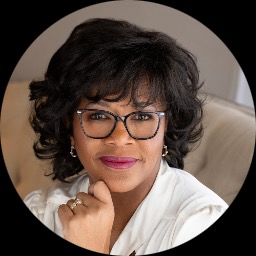
Dr. Keasha Walton-Ellis is a Nevada-licensed marriage and family therapist (LMFT) with 15 years of clinical experience. She focuses on stress, anxiety, relationship concerns, self-esteem, bipolar disorder, and depression. Her practice also addresses communication problems and areas such as commitment issues and intimacy differences.
She keeps sessions straightforward and practical. Conversations aim to identify patterns that cause repeat conflict and to practice clearer ways to say what you need. Many clients find it helpful to learn small skills they can use between appointments.
Her approach draws on attachment ideas to look at how past relationship patterns shape current interactions. She also uses cognitive behavioral techniques to challenge unhelpful thinking and dialectical behavior strategies to manage strong emotions and impulses. The Gottman Method informs work on relationship skills and repairs after fights.
Dr. Walton-Ellis pays attention to how sexual identity and alternative sexual cultures affect relationship and communication issues, including BDSM and kink contexts. She also addresses problems such as jealousy, infidelity, isolation, guilt, and shame in straightforward terms rather than medicalizing feelings.
Sessions tend to focus on clear goals and practical steps. She encourages clients to try communication experiments between meetings and to report what worked and what did not. The emphasis is on learning concrete ways to change interaction patterns and reduce repeated arguments.
Clients can expect a collaborative tone where therapist and client decide what fits best. Her background and years of experience are used to guide problem-solving rather than to impose one fixed method.
How her approaches translate to online sessions
Dr. Walton-Ellis often draws on attachment-based work to examine how early relationship patterns influence current interactions, helping people see why certain conversations become explosive or shut down. She uses cognitive behavioral therapy to identify and change unhelpful thoughts that fuel anxiety and repeated fights, and she brings in DBT skills for managing intense emotions and impulsive behavior.Choosing the right approach is a collaborative process. The therapist will talk with the client about goals, try specific techniques, and adjust what they do together based on what helps. Sessions typically include skill practice, feedback, and short exercises to try between meetings so progress is measurable.
Confirm current session options before booking as formats are not specified here. Online work can make it easier to fit sessions into a busy week, allow shorter check-ins when needed, or offer sessions without traveling to an office. The focus remains on learning practical communication skills, emotion regulation tools, and relationship techniques that can be used in day-to-day life.
Areas of expertise
Primary focus
Additional focus areas
Therapeutic approaches
Experience
15+ years
Credentials
Nevada
Languages
English
Frequently asked questions
What concerns does she help with?
She works with stress, anxiety, relationship issues, self-esteem, bipolar disorder, and depression, plus related topics like communication problems and commitment concerns.
What is her therapeutic style?
Her style is practical and collaborative, combining attachment ideas, CBT, DBT skills, and Gottman-informed work to address patterns and practice new interaction habits.
How much clinical experience does she have?
She has 15 years of professional experience working with adults on relationship and emotional concerns.
What are her credentials and location?
She is an LMFT licensed in Nevada.
Which languages are sessions offered in?
Sessions are offered in English only.
Can people outside the U.S. work with her?
She does not accept international clients at this time.
How are sessions paid for and what do they cost?
Cost varies with location; sessions use a subscription model that can be canceled at any time.
How do I begin a first session?
Select the See online therapy options button, complete a short matching questionnaire, and then schedule your first session.
Online talk therapy is not emergency care, and no counselor can promise how a conversation or a relationship will turn out. If you feel unsafe, call or text 988, or call 911. Crisis information