- Communication problems
- Caregiver stress
- CBT and psychodynamic
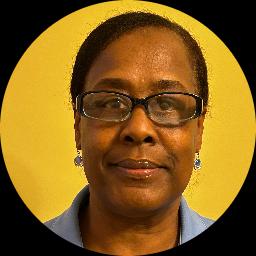
About Kamala
Kamala Young-Claudio is a New York LCSW-R with 20 years of clinical experience. She helps people dealing with relationship strain, grief, self-esteem challenges, coping with life changes, and compassion fatigue. She also works with concerns like communication problems, caregiver stress, and feelings of isolation.
Her style is straightforward and person-focused. Sessions are conversational and aim to clarify what matters most to the client. She adjusts the pace and topics to match how each person prefers to talk and reflect.
Kamala uses several approaches to guide sessions. Client-Centered Therapy keeps the client's perspective central. Cognitive Behavioral Therapy (CBT) is used to spot unhelpful thinking and test new behaviors. Psychodynamic ideas help people see long-standing patterns that affect relationships.
She has spent two decades supporting people through major life events such as bereavement, divorce, illness, and caregiving demands. That work includes hospice and end-of-life counseling and stress tied to first responder roles. Many clients seek help for family conflict and the practical fallout of blended households.
In sessions she breaks complex issues into small, manageable steps. Conversations often include problem-solving and short experiments to try between meetings. The focus is on clearer communication, steadier mood, and practical ways to handle daily pressures.
Approaches used and how online sessions work
Client-Centered Therapy prioritizes the client's perspective and helps people feel heard while they sort through relationship and life-change issues. Cognitive Behavioral Therapy (CBT) looks at thinking patterns and behavior, and is useful for managing self-esteem, grief reactions, and recurring communication problems. Psychodynamic therapy helps identify long-standing relationship patterns that may repeat across situations.Choosing an approach is a collaborative process. The therapist will discuss goals and preferences and then try approaches that fit those needs. Adjustments are expected as work progresses and the plan may combine elements from different methods.
Confirm current session options before booking, as formats are not specified here. Online sessions can make it easier to fit therapy into a busy life, for example by reducing travel time or allowing a shorter check-in between other commitments. Talk with the therapist during the matching step to learn which session formats are offered and how to schedule appointments that fit your routine.
Areas of expertise
Primary focus
Additional focus areas
Therapeutic approaches
Experience
20+ years
Credentials
New York
Languages
English
Frequently asked questions
What concerns does she help with?
She supports people with relationship strain, grief, self-esteem issues, coping with life changes, and compassion fatigue, plus related concerns such as communication problems and caregiver stress.
What is her therapeutic style?
Sessions are conversational and client-focused, with practical steps and occasional short exercises to try between meetings.
How much experience does she have?
She has 20 years of professional experience working with grief, relationship issues, caregiving stress, and life transitions.
What are her credentials and where is she based?
She is a New York LCSW-R and practices in New York.
Which languages are supported?
Sessions are offered in English.
Does she take international clients?
She does not accept international clients at this time.
How does pricing work?
Cost varies with location and sessions use a subscription that can be canceled at any time.
How do I begin working with her?
Select the See online therapy options button, complete a short matching questionnaire, and schedule your first session.
Online talk therapy is not emergency care, and no counselor can promise how a conversation or a relationship will turn out. If you feel unsafe, call or text 988, or call 911. Crisis information