- Strength based approach
- Substance use focus
- Communication skills
About Karen
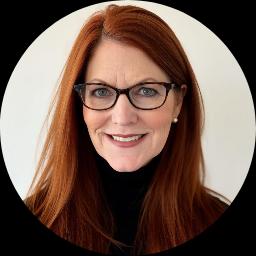
Karen Lilley is a licensed clinical social worker with 30 years of experience. She holds LCSW-C in Maryland and LCSW in Louisiana. She works with people who struggle with stress, anxiety, addictions, anger, low self‑esteem, and depression, and also addresses communication problems among other concerns.
She takes a direct, strength-based approach that focuses on practical tools. Sessions are straightforward and focus on what someone can do between meetings. She aims to help people move from simply coping to handling daily pressures with more control and clarity.
Karen draws on long-term experience with substance use and addiction recovery, grief, and issues commonly faced by caregivers and first responders. She also addresses attachment difficulties, body image, guilt and shame, and workplace struggles. Her work includes support for mood concerns such as panic attacks and social anxiety.
In sessions she listens for patterns that keep conversations stuck and helps people reshape how they express needs and set boundaries. She offers concrete strategies for managing strong feelings and for stepping into difficult talks more confidently. Practical skill building is a regular part of the work.
People who prefer a direct, pragmatic style that focuses on changes they can try between sessions may find her approach useful. She works in Maryland under the LCSW-C credential and communicates in English. Prospective clients should confirm current session options before booking.
Therapeutic approaches and how online sessions work
Karen uses evidence-based techniques that focus on skills and behavior change. One common approach is practical skills training, which teaches concrete ways to manage anxiety, reduce reactivity, and improve how someone expresses needs in tense moments. This can help with panic, workplace disputes, and communication problems.Another approach emphasizes relapse prevention and structured support for substance use and addiction recovery. That work focuses on identifying triggers, building routines, and creating step-by-step plans to reduce risk and strengthen coping strategies.
Finding the right approach is part of the work together. The therapist collaborates with each person to pick methods that fit their goals and daily life, adjusting tactics as progress is made. This is a joint process that balances immediate coping skills with longer term behavior change.
Session formats are not specified here, so confirm current online options before booking. Online work can make it easier to fit sessions into busy schedules, allow shorter check-ins when needed, and reduce travel time. It also lets people practice communication strategies in real time between work and home obligations while keeping sessions focused on practical change.
Areas of expertise
Primary focus
Additional focus areas
Experience
30+ years
Credentials
Maryland, Louisiana
Languages
English
Frequently asked questions
What kinds of concerns does she address?
She works with stress, anxiety, addictions, anger, low self esteem, depression, and related issues such as communication problems and caregiver stress.
What is her therapeutic style?
Her style is direct and strength based with a focus on practical tools people can use between sessions.
How much experience does she have?
She has 30 years of experience working in social work and related clinical areas.
What credentials and location should I know about?
She holds LCSW-C in Maryland and LCSW in Louisiana and practices in Maryland under the LCSW-C credential.
Which languages are sessions offered in?
Sessions are offered in English.
Can international clients work with her?
She does not accept international clients at this time.
How are sessions priced?
Cost varies with location; sessions use a subscription that can be canceled at any time.
How do I begin a first session?
Select the See online therapy options button, complete a short matching questionnaire, and schedule a first session.
Online talk therapy is not emergency care, and no counselor can promise how a conversation or a relationship will turn out. If you feel unsafe, call or text 988, or call 911. Crisis information