- CBT
- Solution-focused
- Client-centered
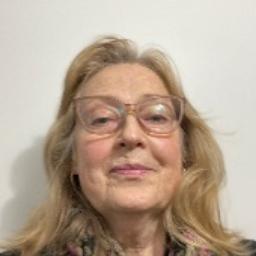
About Linda
Linda Fairclough is an LICSW (Licensed Independent Clinical Social Worker) practicing in Massachusetts with 22 years of experience. She helps people who are dealing with stress, anxiety, addictions, grief, depression, and coping with life changes. She also addresses communication problems, caregiver stress, chronic illness, blended family issues, and related concerns.
Linda draws on Cognitive Behavioral Therapy, Solution-Focused Therapy, and Client-Centered Therapy in her work. She keeps sessions straightforward and practical. Conversations focus on what is happening now and on small steps that can reduce distress and improve daily functioning.
Her background includes work in hospitals, schools, and community mental health settings. That range of settings means she is used to short-term problem solving and longer-term support when it is needed. She aims to help people speak more clearly about their needs and to break repeating patterns that lead to the same conflicts.
In a session she listens to how problems show up in day-to-day life and helps identify realistic changes. She and the client set goals together and try techniques that can be practiced between appointments. Progress is reviewed regularly so plans can be adjusted as needed.
Linda works in English and provides care within Massachusetts. To begin, clients are asked to complete a short matching questionnaire and schedule a first session through the online therapy options button.
How her approaches guide online sessions
Linda often uses Cognitive Behavioral Therapy to help people identify unhelpful thinking and try small behavior changes that reduce stress and anxiety. CBT is practical and focuses on specific patterns that feed mood and worry.She also uses Solution-Focused Therapy to set short-term, achievable goals. This approach looks for existing strengths and small steps that move a person toward clearer communication and less conflict.
Client-Centered Therapy is part of her work too, which means conversations focus on the client’s experience and priorities. The therapist listens and reflects so the person can clarify what they want to change and how to get there.
Finding the right mix of approaches is collaborative. She will work with each person to choose methods that match their needs, goals, and preferences, and she reviews progress together so plans can be adjusted.
Session formats are not listed in the biography, so confirm the current online session options before booking. Online sessions can make it easier to fit therapy into daily life, for example by avoiding travel, fitting a session into a lunch break, or choosing a shorter check-in when needed. Those practical benefits often help people maintain momentum between appointments.
Areas of expertise
Additional focus areas
Therapeutic approaches
Experience
22+ years
Credentials
Massachusetts
Languages
English
Frequently asked questions
What kinds of concerns does she help with?
She works with stress, anxiety, addictions, grief, depression, and coping with life changes, and also addresses communication problems and caregiver stress.
What is her therapeutic style?
Her approach combines Client-Centered Therapy, Cognitive Behavioral Therapy, and Solution-Focused Therapy to keep sessions practical and goal-oriented.
How much experience does she have?
She has 22 years of professional experience working in hospitals, schools, and community mental health settings.
What are her credentials and location?
She is an LICSW (Licensed Independent Clinical Social Worker) based in Massachusetts.
Which languages are supported?
Sessions are offered in English.
Can people outside the United States work with her?
She does not accept international clients at this time.
How are sessions paid for?
Cost varies with location and sessions use a subscription model that can be canceled at any time.
How do I get started?
Use the See online therapy options button, complete the short matching questionnaire, and then schedule a first session.
Online talk therapy is not emergency care, and no counselor can promise how a conversation or a relationship will turn out. If you feel unsafe, call or text 988, or call 911. Crisis information