- CBT methods
- Motivational interviewing
- Solution-focused steps
About Maura
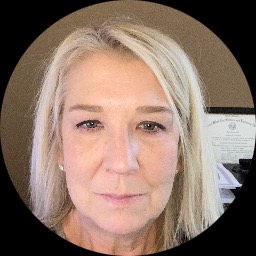
Maura Plourde is a Licensed Clinical Social Worker (LCSW) in North Carolina with 15 years of experience. She helps people who are managing stress, anxiety, grief, depression, compassion fatigue, and major life changes. Maura focuses on practical support for everyday problems and improving how people handle difficult emotions.
Her style centers on clear conversation and collaborative planning. She adapts session pace and topics to what feels most useful for each person. She uses methods that aim to change unhelpful thoughts and habits, set concrete goals, and build stronger coping skills.
Maura draws from client-centered methods to listen and reflect what matters most to the person in front of her. She also uses Cognitive Behavioral Therapy to identify thinking patterns that keep problems going and to practice new ways of responding. Motivational Interviewing helps when deciding on change feels hard, and Solution-Focused Therapy supports quick, goal-oriented steps.
She has worked across situations that can make life feel overwhelming, including caregiving stress, chronic illness or pain, issues around aging, and relationship or communication problems. Maura also offers support for people dealing with guilt, shame, financial stress, and questions about life purpose.
Sessions aim to be straightforward and useful, with small, practical steps between meetings. Interested people complete a brief matching questionnaire and schedule a first session to get started.
Therapeutic approaches used during online work
Client-Centered Therapy focuses on listening and reflecting the concerns you bring. It helps people clarify what matters most to them and feel understood before making changes.Cognitive Behavioral Therapy (CBT) looks at how thoughts, feelings, and actions interact. It is useful for anxiety, depression, and repetitive communication patterns because it supports practicing different responses and testing new behaviors.
Motivational Interviewing helps when deciding to change feels difficult. It uses guided conversation to build readiness and identify personal reasons to move forward.
Finding the right mix of approaches is part of the work. The therapist will collaborate with each person to choose methods that fit their goals, needs, and preferences and will adjust those choices as therapy progresses.
Confirm the specific session formats available before booking, as the biography does not list them. Online sessions can make it easier to fit meetings into a busy week, allow for shorter check-ins when needed, and reduce travel time. Depending on the format offered, sessions may also support people who prefer not to be on camera or who need a lower-bandwidth option.
Areas of expertise
Primary focus
Additional focus areas
Therapeutic approaches
Experience
15+ years
Credentials
North Carolina
Languages
English
Frequently asked questions
What concerns does she address?
She helps people with stress, anxiety, grief, depression, compassion fatigue, and coping with life changes, plus related areas like communication problems and caregiver stress.
What is her therapeutic style?
Her work is collaborative and practical. She focuses on clear conversation, goal-setting, and skills you can use between sessions.
How much experience does she have?
She holds 15 years of professional experience as a clinician working with a range of emotional and life challenges.
What are her credentials and where is she located?
She is a Licensed Clinical Social Worker (LCSW) licensed in North Carolina.
Which languages are offered?
Sessions are offered in English.
Can international clients work with her?
She is not currently accepting international clients.
How does payment and cost work?
Cost varies with location; sessions use a subscription that can be canceled at any time. Confirm pricing before scheduling.
How do I get started?
Select the See online therapy options button, complete a short matching questionnaire, and schedule a first session.
Online talk therapy is not emergency care, and no counselor can promise how a conversation or a relationship will turn out. If you feel unsafe, call or text 988, or call 911. Crisis information