- CBT methods
- Solution-Focused work
- Communication problems
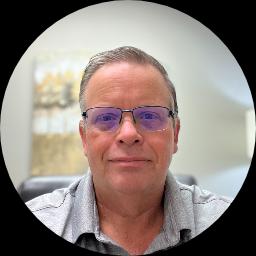
About Michael
Michael Nichols is a Licensed Clinical Mental Health Counselor (LCMHC) in North Carolina with 20 years of professional experience. He works with people who struggle with stress, anxiety, relationships, anger, depression, and coping with life changes. Communication problems, impulsivity, men's issues, veteran and armed forces concerns, and social anxiety and phobia are also areas he addresses.
He uses practical, goal-focused conversations to help people sort out what is causing repeated conflicts or emotional overwhelm. Sessions often focus on concrete skills for managing reactions, changing patterns, and improving how someone communicates with others. Michael draws on approaches such as Cognitive Behavioral Therapy and Solution-Focused Therapy to keep work direct and measurable.
Clients can expect a straightforward style that emphasizes doable steps between meetings. He helps people identify small changes that reduce stress and interrupt unhelpful cycles. Homework and short-term experiments are common tools to test what works in day-to-day life.
Michael’s background includes two decades of clinical practice across settings that exposed him to diverse problems and life transitions. That experience informs a pragmatic mindset when addressing relationship strain and emotional regulation. He frames goals clearly and regularly reviews progress so sessions stay focused on useful outcomes.
To begin, prospective clients complete a short matching questionnaire and schedule an initial session. Sessions use a subscription that can be canceled at any time, and costs vary by location. Confirm current session options before booking so arrangements match personal needs.
How Michael integrates CBT and solution-focused work online
CBT, or Cognitive Behavioral Therapy, focuses on spotting unhelpful thoughts and testing them against real-life evidence. It teaches concrete skills for managing anxiety, anger, and low mood, and often uses short exercises to change how someone reacts day to day. Solution-Focused Therapy concentrates on what is already working and on small, practical steps that move a person toward stated goals. It can be especially useful when someone wants quick, action-oriented change.Finding the right approach is part of the work together. Michael treats the choice of methods as collaborative and adjusts strategies based on the client's goals, preferences, and what proves useful in sessions. He checks progress and switches tactics when needed so the work stays relevant and efficient.
The original biography does not list specific online session formats, so confirm current options before booking. Online sessions can make it easier to fit therapy into a busy week, allow shorter check-ins when schedules demand, and reduce travel time. For many people, remote sessions help maintain momentum between appointments and make it simpler to practice skills in real life.
Areas of expertise
Primary focus
Additional focus areas
Therapeutic approaches
Experience
20+ years
Credentials
North Carolina
Languages
English
Frequently asked questions
What concerns does he address?
He works with stress, anxiety, relationship strain, anger, depression, and coping with life changes. Communication problems, impulsivity, men's issues, veteran and armed forces concerns, and social anxiety and phobia are also listed focus areas.
What is his therapeutic style?
He uses practical, goal-focused conversations that emphasize skills and small experiments between sessions. Work tends to be direct and focused on measurable steps.
How much experience does he have?
He has 20 years of professional experience in clinical practice. That background informs a pragmatic approach to common problems and life transitions.
What are his credentials and location?
He holds the LCMHC credential and is licensed in North Carolina. The profile identifies practice in North Carolina.
Which languages are supported?
Sessions are offered in English. International clients are not currently accepted.
What session formats are available?
The original biography does not specify session formats. Confirm current session options before booking to match your needs.
How much do sessions cost?
Cost varies with location and sessions use a subscription that can be canceled at any time. Check the sign-up flow for exact pricing details.
How do I get started?
Select the See online therapy options button, complete a short matching questionnaire, and schedule a first session. That begins the intake and planning process.
Online talk therapy is not emergency care, and no counselor can promise how a conversation or a relationship will turn out. If you feel unsafe, call or text 988, or call 911. Crisis information