- CBT techniques
- DBT skills
- Gottman informed work
About Paula
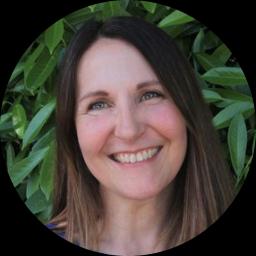
Paula Rovik is a Licensed Mental Health Counselor (LMHC) in Washington with 18 years of clinical experience. She works with people facing stress, anxiety, grief, low self-esteem, depression, and compassion fatigue, and she lists communication problems among her focuses. Paula draws on several established approaches to help people speak up, set boundaries, and manage repeated conflicts.
Paula’s sessions are straightforward and practical. She uses client-centered techniques to listen and reflect what matters to each person. She also applies elements of cognitive behavioral therapy (CBT) to spot unhelpful thinking patterns and dialectical behavior therapy (DBT) skills for emotional regulation and distress tolerance. These methods are used to improve everyday communication and reduce repeated arguments.
In the room she tends to prioritize clear, actionable steps. That might mean practicing short phrases to use in difficult conversations, learning how to name emotions without escalation, or breaking down a recurring conflict into smaller parts. She pays attention to how attachment and abandonment issues can shape how people ask for what they need.
Paula has experience working with people from varied cultural backgrounds and with different life stresses, including caregiving strain, financial pressure, and transitions like separation. She notes work with veterans and armed forces issues among her focus areas. She also supports people navigating body image, guilt and shame, and life purpose questions.
Her approach emphasizes collaboration. Clients discuss goals, try small changes between sessions, and re-evaluate what’s helping. To begin, prospective clients complete a short matching questionnaire and schedule a first session through the online options button.
How Paula uses therapeutic approaches in online sessions
Client-centered therapy starts by focusing on the person’s concerns and responses. It involves reflective listening and collaborative goal-setting, which helps clarify what a client wants from communication and relationship work.Cognitive behavioral therapy (CBT) looks at the link between thoughts, feelings, and actions. In practical terms this means identifying unhelpful thoughts that fuel arguments and testing small behavior changes to see what shifts the pattern.
Dialectical behavior therapy (DBT) offers concrete skills for handling intense emotions and tolerating distress. Those skills can be used to stay calmer in hard conversations, reduce escalation, and practice steadier responses during conflict.
Finding the right mix of approaches is part of the work. Paula will discuss goals and preferences and then recommend which methods to try first. That collaborative process means sessions can adjust over time based on what the client finds useful.
The therapist’s session formats are not specified here, so confirm current online options before booking. Many people find online sessions make it easier to fit therapy into a busy week, allow shorter check-ins when needed, and reduce travel time. For those who prefer practicing communication skills in daily life, scheduling sessions around real-world interactions can make the work more immediately useful.
Areas of expertise
Primary focus
Additional focus areas
Therapeutic approaches
Experience
18+ years
Credentials
Washington
Languages
English
Frequently asked questions
What communication and relationship concerns does she address?
She works with communication problems alongside stress, anxiety, grief, low self-esteem, depression, and compassion fatigue. Additional focuses include attachment, abandonment, and divorce or separation issues.
What is her therapeutic style like?
Paula uses a client-centered style combined with CBT and DBT techniques and elements of EFT and the Gottman method. She emphasizes practical skills, emotion regulation, and clearer ways to express needs.
How much clinical experience does she have?
She has 18 years of experience working with people across a range of life challenges and symptoms.
What credential does she hold and where is she based?
Paula is an LMHC licensed in Washington and practices there.
Which languages are sessions offered in?
Sessions are offered in English.
Can people who live outside the United States work with her?
She does not accept international clients at this time.
How are sessions billed and what do they cost?
Cost varies with location; sessions use a subscription model that can be canceled at any time.
How do I begin a first session?
Use the See online therapy options button, complete a short matching questionnaire, and schedule a first session through the provided steps.
Online talk therapy is not emergency care, and no counselor can promise how a conversation or a relationship will turn out. If you feel unsafe, call or text 988, or call 911. Crisis information