- Addictions
- Relationship issues
- Parenting challenges
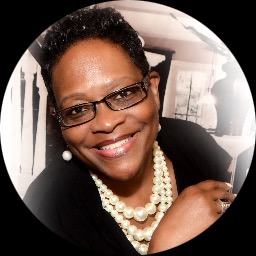
About Rochelle
Rochelle Toyer is a Licensed Professional Counselor (LPC) in the District of Columbia with 29 years of clinical experience. She works with people facing addictions, relationship and intimacy concerns, parenting challenges, and anger. She also focuses on communication problems, control issues, guilt and shame, forgiveness, loneliness, life purpose, and self-love.
Rochelle helps people get clearer about what they want and why they react the way they do. Sessions look at patterns that keep repeating and practical ways to change them. She guides conversations about how the past affects current choices and relationships.
Her background includes long-term work with adults who want to improve how they connect with others. She pays attention to cultural and spiritual context when that matters to the person in front of her. That means she asks about values, beliefs, and the everyday pressures that shape behavior.
In session she focuses on skills and reflection. That can include learning new ways to speak up, setting firmer boundaries, or handling triggers with less reactivity. She also helps people work through guilt and shame so they can try different behaviors without getting stuck.
Rochelle aims for straightforward conversations that lead to clearer choices. People leave sessions with small, practical steps to try between meetings. To get started she asks questions about current struggles and what success would look like for each person.
How therapeutic approaches translate to online sessions
Rochelle uses evidence-based therapeutic techniques that focus on understanding patterns and building practical skills. One common approach she uses helps people trace how past experiences influence present reactions, which can clarify recurring relationship and communication problems. Another approach centers on skill-building for emotional regulation and assertive communication, offering concrete strategies to speak up and manage anger in real time.Choosing the right approach happens together. The therapist and client review needs, goals, and preferences, then try methods that fit the situation. That collaborative process includes checking what works, adjusting techniques, and agreeing on small practice steps between meetings.
Confirm available session options before booking, since formats are not specified here. Many people find online work helpful because it can fit into busy schedules, cut travel time, and make it easier to keep regular sessions. If a phone check-in is preferable one week, or a longer session is useful another week, those practical adjustments can be discussed when arranging appointments.
Areas of expertise
Primary focus
Additional focus areas
Experience
29+ years
Credentials
District of Columbia
Languages
English
Frequently asked questions
What kinds of concerns does she address?
She works with addictions, relationship and intimacy concerns, parenting difficulties, and anger. Communication problems and issues like guilt, shame, and loneliness are also part of her focus.
How would you describe her therapeutic style?
Her style is direct and practical, focusing on helping people recognize patterns and try new behaviors. Sessions center on skills, reflection, and clear next steps.
How much clinical experience does she have?
She has 29 years of experience working with adults on relationship dynamics, personal growth, and behavior change.
What credential does she hold and where is she based?
She is a Licensed Professional Counselor (LPC) practicing in the District of Columbia.
Which languages are supported?
Sessions are offered in English.
Can international clients work with her?
She is not currently accepting international clients.
How are sessions paid for and what does it cost?
Cost varies with location; sessions use a subscription that can be canceled at any time.
How do I start a first session?
Select the See online therapy options button, complete a short matching questionnaire, and schedule a first session.
Online talk therapy is not emergency care, and no counselor can promise how a conversation or a relationship will turn out. If you feel unsafe, call or text 988, or call 911. Crisis information