- Stress and anxiety
- Addictions and motivation
- Self esteem work
About Sherrie
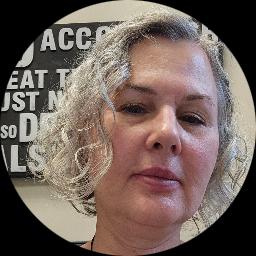
Sherrie Pace is a Licensed Clinical Social Worker (LCSW) in North Carolina with 20 years of professional experience. She helps people manage stress and anxiety, cope with addictions, and build motivation and self-esteem. She also offers support for those living with bipolar disorder and works with issues of communication problems, guilt, and shame.
She approaches work in a straightforward, practical way. Sessions focus on identifying what is getting in the way of day-to-day functioning and on small, manageable steps to change patterns. Conversations include clarifying goals, trying direct skills in session, and checking what actually helps between meetings.
Sherrie frames clients as the expert in their own lives and draws on their strengths to address problems. She talks through current challenges and looks for concrete strategies to reduce distress and increase coping. The pace is set so people can try new ways of handling difficult conversations and expectations without feeling overwhelmed.
Her background includes two decades of clinical work in North Carolina settings. That experience has included helping people who struggle with recurring anxiety, addictive behaviors, mood instability, and low confidence. The focus is on practical problem solving and straightforward feedback that people can use between sessions.
For people who avoid hard conversations or keep ending up in the same arguments, she offers clear steps to change communication patterns. The aim is to help clients speak more directly about needs, set boundaries that make sense, and practice responses that reduce reactivity.
Therapeutic approaches and how online sessions work
Sherrie uses evidence-based therapeutic techniques focused on practical skills and problem solving. One common approach is skills-based work that teaches concrete tools to manage anxiety and handle urges related to addictive behavior; these skills are practiced in-session and applied between meetings to see what helps. Another approach is mood-focused coping for people with bipolar disorder, which looks at patterns in mood and daily routines and helps clients test small changes to reduce destabilizing swings.Choosing the right approach is a collaborative process. She will help clients decide which techniques to try first based on their needs, goals, and what feels doable. Sessions may shift over time as progress is noted and priorities change.
The biography does not list specific online formats, so confirm which session types are offered before booking. Online work can make it easier to fit sessions into a busy week, allow shorter check-ins when needed, and remove travel time that would otherwise be required. It also lets people practice skills between sessions in the settings where they normally live and work, which can make learning more directly useful.
Areas of expertise
Primary focus
Additional focus areas
Experience
20+ years
Credentials
North Carolina
Languages
English
Frequently asked questions
What communication concerns does she address?
She works with people who avoid difficult conversations, get stuck in repeating arguments, or struggle to say what they need. Communication problems are listed among her focus areas.
How would you describe her approach in sessions?
Her style is practical and goal-focused, emphasizing clear steps and skills to try between meetings. She highlights strengths and keeps work concrete and doable.
How much clinical experience does she have?
She has 20 years of professional experience working in clinical roles. That background includes work with anxiety, addictions, bipolar disorder, and self-esteem concerns.
Which credentials and where does she practice?
She is an LCSW licensed in North Carolina and practices there.
Does she offer sessions in other languages or to international clients?
Sessions are offered in English. She is not accepting international clients.
What session formats are available?
The biography does not list specific session formats. Confirm current session options before booking to know how meetings are held.
How are costs handled?
Cost varies with location. Sessions use a subscription model that can be canceled at any time.
How do I get started with a first session?
Select the See online therapy options button, complete the short matching questionnaire, and schedule an initial session.
Online talk therapy is not emergency care, and no counselor can promise how a conversation or a relationship will turn out. If you feel unsafe, call or text 988, or call 911. Crisis information