- Communication problems
- Cognitive Behavioral Therapy
- Motivational Interviewing
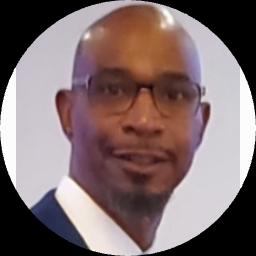
About Tyson
Tyson Spears is a Licensed Professional Counselor (LPC) in Wisconsin with 30 years of experience. He works with adults facing stress, anxiety, depression, relationship and family concerns, communication problems, parenting struggles, addictions, and other life changes.
He uses a direct, interactive style in sessions. Tyson listens first, then helps people set clear goals. He sketches practical steps people can try between meetings and checks what is working. Conversations are straightforward and focused on everyday problems and solutions.
Tyson blends several methods to match each person's needs. He draws from cognitive behavioral techniques to spot thinking patterns that keep problems going. He uses acceptance and commitment ideas to help people clarify values and act on them. Motivational interviewing supports people who are weighing change or dealing with addictions.
Mindfulness approaches are used to build attention and calm during moments of stress. Client-centered principles keep the conversation focused on the person's own experience and priorities. Over time Tyson helps people notice small shifts that add up to steadier behavior and clearer communication.
Sessions emphasize practical tools for handling arguments, saying what you need, and reducing repeated conflicts. He also works with longer-standing issues like grief, trauma history, or mood disorders and adapts methods to the situation. People are invited to try approaches and adjust them as progress is made.
Therapeutic approaches and how they work online
Acceptance and Commitment Therapy (ACT) helps people notice what matters to them and take small actions toward those values despite difficult thoughts or feelings. It is often used for anxiety, depression, and situations where people want clearer priorities. Cognitive Behavioral Therapy (CBT) looks at the links between thoughts, feelings, and behaviors. It helps identify unhelpful thinking patterns and practices new skills to reduce anxiety, manage mood, and improve communication.Finding the right approach is part of the work. Tyson will collaborate with each person to choose which methods to try first and will adjust plans based on how things go. The process is conversational and goal-focused, with regular check-ins about what is helping and what needs to change.
Confirm the available session formats before booking. When online options are used, the practical advantages include fitting sessions into a busy schedule, shorter check-ins when needed, and avoiding travel time. Different formats can suit quieter setups, lower bandwidth, or a quick coaching-style conversation during a work break. Ask about the specific formats offered to pick what will fit daily life best.
Areas of expertise
Primary focus
Also works with
Additional focus areas
Therapeutic approaches
Experience
30+ years
Credentials
Wisconsin
Languages
English
Frequently asked questions
What concerns does he help with?
He supports adults with stress, anxiety, depression, relationship and family concerns, communication problems, addictions, parenting issues, and related challenges.
What is his therapeutic style?
His style is interactive and practical. He listens, helps set goals, and suggests steps to try between sessions.
How much experience does he have?
Tyson has 30 years of clinical experience working with a wide range of concerns.
What credentials and region apply?
He is a Licensed Professional Counselor (LPC) practicing in Wisconsin.
Which languages are used in sessions?
Sessions are offered in English.
Does he work with international clients or specific session formats?
International clients are not accepted. Please confirm current session format options before booking.
How does payment work?
Cost varies with location; sessions use a subscription that can be canceled at any time.
How do I get started?
Select the See online therapy options button, complete a short matching questionnaire, and schedule a first session.
Online talk therapy is not emergency care, and no counselor can promise how a conversation or a relationship will turn out. If you feel unsafe, call or text 988, or call 911. Crisis information