- Stress and anxiety
- Trauma and grief
- Communication problems
About Angela
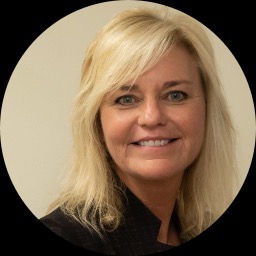
Angela Boles is a Licensed Clinical Mental Health Counselor (LCMHC) in North Carolina with 10 years of professional experience. She helps people who are dealing with stress, anxiety, trauma and abuse, grief, depression, and compassion fatigue. Angela notes communication problems as a common thread in many concerns she sees.
She commonly focuses on how people communicate with themselves and others. In sessions she looks at communication style and encourages straightforward self-review. She also addresses confidence, acceptance of self, and practical techniques to change how someone feels and connects with others.
Angela has worked mainly with adult women who have experienced trauma or inequity, though she describes many of the same challenges as common across people. She acknowledges the role of privilege, bias, and systemic racism in shaping trauma and grief. She brings cultural humility to conversations about how historical and racial factors affect coping and recovery.
Her approach is collaborative: she treats the person as the expert on their story and helps identify strengths to build on. She will raise issues of bias and historical trauma when they relate to what someone brings to a session. That includes looking at how past experiences shape current patterns of communication.
Practical steps are part of the work. Angela uses techniques that aim to change habits, reduce distress, and improve connection. To begin, prospective clients complete a short matching questionnaire and schedule a first session.
How therapeutic techniques translate to online work
Evidence-based therapeutic techniques focus on changing unhelpful patterns and building clearer communication. One common approach looks at identifying thought and behavior patterns that keep anxiety and mood problems active, then teaching practical skills to interrupt those patterns and manage symptoms. This helps with panic, depression, and persistent worry. Another approach centers on processing trauma and its effects. It involves carefully exploring how past events influence current responses, learning grounding skills, and practicing new ways of relating to stress and memories. That kind of work often targets grief, post-traumatic stress, and the long-term impact of abuse. Finding the right mix of approaches is part of the work itself. The therapist will collaborate with the client to decide which techniques match their goals, preferences, and what shows up in early sessions. That planning is flexible and can change as progress is made. Confirm the specific session formats before booking since the biography does not list them. In general, online work can make it easier to schedule brief check-ins during a busy day, avoid travel time, and continue therapy if relocating within the same state. These practical benefits help fit sessions into everyday life without promising any particular format.Areas of expertise
Primary focus
Additional focus areas
Experience
10+ years
Credentials
North Carolina
Languages
English
Frequently asked questions
What kinds of concerns does she help with?
She works with stress, anxiety, trauma and abuse, grief, depression, and compassion fatigue, and also focuses on related issues such as body image, communication problems, and women's issues.
What is her therapeutic style?
She takes a collaborative, practical approach that emphasizes looking at communication style, building confidence, and learning techniques to change how people feel and relate to others.
How much experience does she have?
She has 10 years of professional experience working in clinical settings and community care.
What credentials and region does she practice in?
She is an LCMHC licensed in North Carolina and practices with that credential in the state.
Which languages are sessions offered in?
Sessions are offered in English.
Does she work with international clients?
She does not accept international clients at this time.
How are sessions paid for?
Cost varies with location; sessions use a subscription that can be canceled at any time.
How do I get started with her?
Select the See online therapy options button, complete a short matching questionnaire, and schedule a first session.
Online talk therapy is not emergency care, and no counselor can promise how a conversation or a relationship will turn out. If you feel unsafe, call or text 988, or call 911. Crisis information