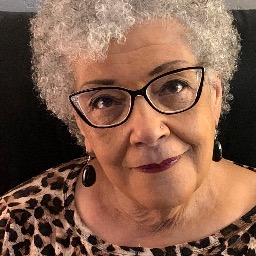
Sharon Calhoun
LMSWMichigan · 35 yrs exp
LMSW - Stress and relationship concerns
Stress, Anxiety · Addictions · Trauma and abuse · Self esteem · +3 more
Read profileTherapist listings come from BetterHelp. We will earn a commission at no extra cost to you if you use our links to buy.
On this page you will find therapists who specialize in trauma and abuse so you can review their focus areas, approaches, and credentials. Use the listings below to explore practitioners whose experience aligns with what you need. Click any profile to learn more and begin narrowing your search.
Michigan · 35 yrs exp
LMSW - Stress and relationship concerns
Stress, Anxiety · Addictions · Trauma and abuse · Self esteem · +3 more
Read profile
Florida · 20 yrs exp
Florida LMFT - Relationships and Communication
Stress, Anxiety · Relationship · Family · Trauma and abuse · +11 more
Read profile
Kentucky · 8 yrs exp
LPCC in Kentucky - Stress and Communication
Stress, Anxiety · Addictions · Trauma and abuse · Grief · +1 more
Read profile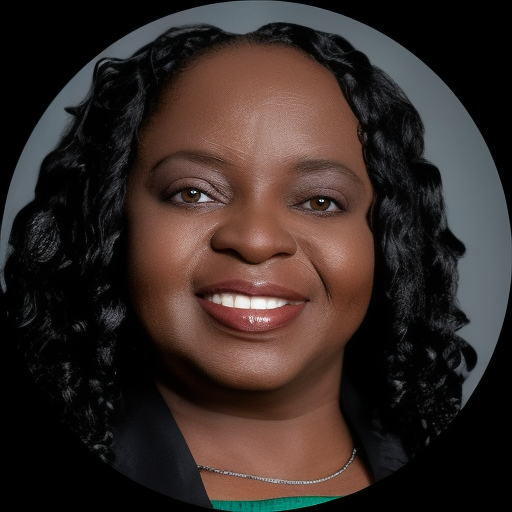
Florida · 10 yrs exp
Florida LMHC - Stress and Addictions
Stress, Anxiety · Addictions · Trauma and abuse · Anger · +1 more
Read profile
Georgia · 20 yrs exp
Licensed Professional Counselor - Anxiety and Relationships
Stress, Anxiety · Relationship · Trauma and abuse · Self esteem · +1 more
Read profile
Michigan · 20 yrs exp
LMSW in Michigan - Communication and Life Transitions
Stress, Anxiety · Trauma and abuse · Grief · Depression · +1 more
Read profile
Kentucky · 20 yrs exp
LCSW - Anxiety and Relationship concerns
Stress, Anxiety · Relationship · Trauma and abuse · Depression · +1 more
Read profile
New Jersey · 38 yrs exp
Licensed Professional Counselor - Communication and Mood
Stress, Anxiety · Addictions · Relationship · Trauma and abuse · +14 more
Read profile
Texas · 5 yrs exp
Licensed Professional Counselor - Stress and Communication
Stress, Anxiety · Trauma and abuse · Grief · Depression · +1 more
Read profile
Oklahoma · 26 yrs exp
Oklahoma LPC - anxiety and trauma focus
Stress, Anxiety · Addictions · Trauma and abuse · Bipolar · +1 more
Read profile
Pennsylvania · 7 yrs exp
LCSW - Communication and Relationship Concerns
Stress, Anxiety · Family · Trauma and abuse · Depression · +1 more
Read profile
Delaware · 3 yrs exp
Licensed Professional Counselor-MH - Relationships and Anxiety
Stress, Anxiety · Relationship · Trauma and abuse · Self esteem · +1 more
Read profile
Iowa · 11 yrs exp
Licensed Clinical Social Worker - Relationships and Communication
Stress, Anxiety · Relationship · Trauma and abuse · Self esteem · +6 more
Read profile
Louisiana · 10 yrs exp
Licensed Professional Counselor - Communication and Relationships
Stress, Anxiety · Trauma and abuse · Anger · Self esteem · +8 more
Read profile
Texas · 3 yrs exp
Licensed Professional Counselor - Communication problems, Anxiety
Stress, Anxiety · Addictions · Trauma and abuse · Grief · +1 more
Read profile
Missouri · 24 yrs exp
LCSW - Stress and communication support
Stress, Anxiety · LGBT · Trauma and abuse · Grief
Read profile
Texas · 3 yrs exp
Licensed Professional Counselor - Stress and Communication
Stress, Anxiety · Trauma and abuse · Grief · Depression · +1 more
Read profile
Texas · 14 yrs exp
Licensed counselor - Relationships and trauma
Stress, Anxiety · Relationship · Trauma and abuse · Anger · +1 more
Read profile
South Carolina · 4 yrs exp
Licensed Professional Counselor - Trauma and ADHD
Trauma and abuse · Coping with life changes · ADHD
Read profile
Florida · 7 yrs exp
LCSW - Family and trauma focus
Family · Trauma and abuse · Parenting · Depression
Read profile
Georgia · 7 yrs exp
LICSW LCSW - Stress and communication
Stress, Anxiety · Trauma and abuse · Self esteem · Depression · +10 more
Read profile
Texas · 3 yrs exp
Licensed Professional Counselor - Stress and Relationships
Stress, Anxiety · Relationship · Trauma and abuse · Self esteem · +1 more
Read profile
Texas · 8 yrs exp
Licensed Professional Counselor - Relationships and Anxiety
Stress, Anxiety · Relationship · Trauma and abuse · Self esteem · +1 more
Read profile
Colorado · 6 yrs exp
Licensed counselor - Trauma and communication
Trauma and abuse · Grief · Intimacy-related issues · Self esteem · +1 more
Read profileTrauma and abuse refer to experiences that overwhelm your usual ability to cope and that can leave lasting emotional, cognitive, and physical impressions. Trauma may result from a single extreme event or from repeated experiences such as emotional, physical, or sexual abuse, neglect, or exposure to violence. The effects are not limited to memories of an event. You may notice changes in how you relate to others, in your sense of safety, or in how your body responds to stress. Some people describe feeling detached from themselves, while others experience intense emotional reactions to reminders of the past.
Because trauma often touches multiple areas of life, the impact can show up as difficulty concentrating at work or school, strained relationships, changes in sleep and appetite, or patterned responses such as withdrawing, overreacting, or trying to manage overwhelming feelings with substances or compulsive behaviors. Children and adolescents may show different signs than adults, often expressing distress through behavior, play, or school performance. Recognizing the influence of trauma on your thoughts, feelings, and relationships is an important step toward finding help that addresses the full scope of your experience.
If you find that past or ongoing traumatic experiences are shaping your daily life, therapy can offer a structured space to address those effects. You might notice persistent anxiety, flashbacks, or nightmares that make it hard to fall asleep or to feel rested. Some people experience heightened startle responses or a constant sense of being on guard, while others feel numb or disconnected from people and activities they used to enjoy. Shifts in mood such as irritability, hopelessness, or sudden surges of anger are common and can strain personal and work relationships.
Beyond emotional symptoms, you may see changes in how you handle stress - for example, avoiding places or situations that remind you of an experience, or turning to alcohol or other behaviors to cope. If you are having difficulty trusting others, maintaining intimacy, or setting boundaries, those are important reasons to seek a counselor who focuses on trauma and abuse. Therapy is not only for crisis moments; if unresolved experiences are reducing your sense of wellbeing or limiting your life choices, working with a clinician can help you build new patterns and tools for managing triggers and building resilience.
Your first sessions will typically focus on building rapport and creating a plan that reflects your goals. A therapist will usually ask about your history, current symptoms, and the ways trauma affects your relationships and daily routines. You and your clinician will talk about what feels manageable to address first, and many therapists will work with you to establish coping strategies that reduce distress between sessions. You should expect a gradual process that respects your pace rather than rushing into intense memories or exercises.
Therapy for trauma and abuse often includes a mixture of reflective conversation, skills training, and experiential work. Sessions may involve naming and processing emotions, practicing breathing or grounding techniques to stabilize your nervous system, and developing strategies for safety and boundaries when necessary. Some therapists integrate body-focused methods or movement as part of helping you reconnect with physical sensations in manageable ways. As you progress, the focus may shift toward consolidating gains, strengthening relationships, and creating a plan for ongoing self-care. Progress can look different for everyone - sometimes subtle shifts in how you respond to stress are the most meaningful changes.
Therapists use a range of approaches when working with trauma and abuse, and you can look for clinicians whose methods align with what you prefer. Cognitive behavioral approaches aim to help you understand and adjust patterns of thought and behavior that maintain distress. There are also trauma-focused cognitive methods that concentrate specifically on the memories and meaning of traumatic events. Some clinicians incorporate narrative techniques that help you reframe and integrate your life story in ways that reduce the power of painful memories.
Other practitioners emphasize body-oriented or somatic interventions that focus on how trauma is stored and expressed physically, and you may encounter therapists who list somatic experiencing, sensorimotor therapy, or mindfulness-based approaches among their methods. Some clinicians include relational therapies that address the ways attachment and interpersonal experiences affect recovery. You will also see therapists who list EMDR among their approaches and others who list internal family systems among their approaches. It can help to read descriptions on profiles to understand how a clinician blends talk-based, body-centered, and skills-focused work to meet your needs.
Online therapy offers a way to connect with clinicians over video, phone, or text-based messaging, which can increase convenience and expand the range of therapists you can consider. Sessions by video generally mirror in-person appointments, allowing you and your therapist to see facial expressions and body language while working from a familiar setting. Many therapists also offer phone sessions or messaging options for shorter check-ins. If you choose online work, it is important to plan for moments of high distress by identifying local emergency resources and sharing a brief crisis plan with your clinician so you both know how to respond if intense symptoms arise during a session.
When selecting a therapist for trauma and abuse, think about several practical and personal factors. Consider the approaches you prefer and look for language on profiles that explains how a clinician works with trauma. Compare focus areas, credentials, languages, and experience to find someone who aligns with your cultural background and life context. It is reasonable to read a profile and prioritize clinicians who describe work with similar concerns or populations, such as survivors of interpersonal violence, childhood abuse, or combat-related trauma. Pay attention to how a therapist describes their session structure, fees, and communication methods so you know what to expect.
Trust your sense of fit. It is common to try a few clinicians before you find the right match for your needs and preferences. Think about whether you feel heard and respected in an initial conversation and whether the therapist’s way of explaining their approach makes sense to you. Ask about how they pace trauma work and how they support you between sessions, particularly if you are considering deeper processing. Choosing a therapist is a personal decision, and taking the time to review profiles and reflect on what matters most to you can increase the chances that the work will feel meaningful and relevant.
Seeking help for trauma and abuse is a step toward regaining agency over your life and relationships. Therapy can provide tools to manage symptoms, reestablish safety in daily routines, and strengthen emotional regulation. As you explore clinician profiles and approaches on this site, focus on finding a therapist whose description resonates with your experience and who communicates a clear approach to working with trauma. Over time, many people find that intentional therapeutic work helps them reclaim aspects of life that were affected by trauma and build new strategies for handling stress and connection.
Remember that healing looks different for everyone and that progress is often non-linear. You are likely to encounter days of growth and days of challenge, and a thoughtful therapeutic relationship can support you through both. Use the listings below to compare methods and backgrounds, and reach out to clinicians whose profiles match the kind of help you are seeking. Taking that first step to connect with a therapist is an important move toward feeling more grounded and in control of your story.
Alabama
72 therapists
Alaska
9 therapists
Arizona
66 therapists
Arkansas
31 therapists
California
569 therapists
Colorado
95 therapists
Connecticut
49 therapists
Delaware
15 therapists
District of Columbia
11 therapists
Florida
454 therapists
Georgia
134 therapists
Hawaii
17 therapists
Idaho
30 therapists
Illinois
169 therapists
Indiana
79 therapists
Iowa
21 therapists
Kansas
35 therapists
Kentucky
59 therapists
Louisiana
98 therapists
Maine
20 therapists
Maryland
99 therapists
Massachusetts
58 therapists
Michigan
129 therapists
Minnesota
42 therapists
Mississippi
46 therapists
Missouri
97 therapists
Montana
26 therapists
Nebraska
17 therapists
Nevada
31 therapists
New Hampshire
7 therapists
New Jersey
88 therapists
New Mexico
17 therapists
New York
256 therapists
North Carolina
164 therapists
North Dakota
6 therapists
Ohio
110 therapists
Oklahoma
74 therapists
Oregon
32 therapists
Pennsylvania
155 therapists
Rhode Island
5 therapists
South Carolina
94 therapists
South Dakota
11 therapists
Tennessee
75 therapists
Texas
477 therapists
Utah
41 therapists
Vermont
12 therapists
Virginia
103 therapists
Washington
67 therapists
West Virginia
11 therapists
Wisconsin
70 therapists
Wyoming
9 therapists