- Stress and anxiety
- Trauma and abuse
- Communication problems
About Carla
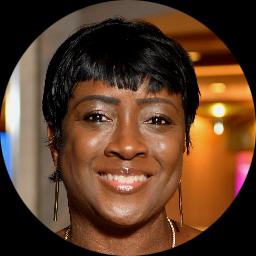
Carla Harrison is a Licensed Clinical Professional Counselor (LCPC) in Maryland with six years of professional experience. She works with people facing stress, anxiety, trauma and abuse, low self-esteem, depression, and the challenges that come with life changes. Carla also focuses on communication problems, guilt and shame, questions of life purpose, and building self-love.
She treats conversations as practical work. Sessions look at what’s getting in the way of clear communication and steady mood. Carla helps people notice patterns, name uncomfortable feelings, and practice different ways of speaking or setting boundaries. The aim is to make everyday interactions less stuck and more manageable.
Her approach treats the client as the expert on their own life. She asks concrete questions and offers strategies that can be used between sessions. You can expect straightforward feedback, experiments to try at home, and check-ins about whether something is working.
Carla’s six years of practice include supporting people through life transitions and recovery from past hurts. She uses methods grounded in evidence-based therapeutic techniques to guide work on emotions, behavior, and connection. Sessions tend to focus on small, practical steps that build over time.
People who benefit most are those ready to try new ways of communicating and coping. If the reader wants to start, confirm current session options before booking and follow the listed steps to match and schedule a first appointment.
How therapeutic approaches are used in online sessions
Carla uses evidence-based therapeutic techniques that focus on emotions, behavior, and communication. One common approach helps people identify unhelpful thought patterns and try different ways of thinking to reduce anxiety and low mood. This technique is useful when overwhelming thoughts get in the way of clear speech or decision making.Another approach concentrates on practicing new skills in real situations. That may include role-playing conversations, rehearsing boundary statements, and planning small experiments to test different communication strategies. This style is practical and aimed at changing everyday interactions over time.
Choosing the right mix of approaches is a collaborative process. The therapist will talk with the client about goals, test methods, and adjust based on what works best. The client’s needs and preferences guide which techniques are emphasized.
Session formats are not specified in the biography, so confirm current options before booking. Online sessions can make it easier to fit therapy into a busy schedule, allow shorter check-ins when needed, and remove travel time. Licensed professionals often use these formats to help people keep momentum between sessions and practice real-life communication skills.
Areas of expertise
Additional focus areas
Experience
6+ years
Credentials
Maryland
Languages
English
Frequently asked questions
What concerns does she help with?
She helps with stress, anxiety, trauma and abuse, self-esteem, depression, coping with life changes, and related issues such as communication problems, guilt, life purpose, and self-love.
What is her therapy style?
She treats conversations as practical work, offering concrete questions, feedback, and strategies to try between sessions.
How much experience does she have?
She has six years of professional work experience as a clinician.
What are her credentials and location?
She is an LCPC licensed in Maryland and practices with that credential in that state.
Which languages are supported?
Sessions are offered in English only.
Does she work with international clients?
She does not accept international clients at this time.
How much do sessions cost?
Cost varies with location; sessions use a subscription that can be canceled at any time.
How do I begin working with her?
Select the See online therapy options button, complete a short matching questionnaire, and schedule a first session.
Online talk therapy is not emergency care, and no counselor can promise how a conversation or a relationship will turn out. If you feel unsafe, call or text 988, or call 911. Crisis information