- Client-Centered Therapy
- Cognitive Behavioral Therapy
- Solution-Focused methods
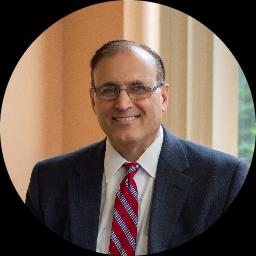
About Daniel
Daniel Quinn is an LCSW (Licensed Clinical Social Worker) with 34 years of practice based in Connecticut. He helps people who are dealing with stress, anxiety, relationship difficulties, trauma and abuse, low self-esteem, depression, grief, and big life changes. His work also addresses communication problems, attachment concerns, caregiver stress, and similar challenges.
He prefers a straightforward, practical approach in sessions. He listens to what a person wants to change and then focuses on steps to move toward those goals. He uses solution-focused work to break issues into manageable parts and to identify actions that can be tried between sessions.
Daniel draws on Client-Centered Therapy to keep the conversation grounded in each person's experience. He brings in cognitive behavioral techniques when thought patterns and behaviors are getting in the way. He also uses mindfulness practices to help people notice reactions and choose responses more deliberately.
Sessions tend to be direct and goal-oriented. He encourages people to name what matters and to practice new ways of talking and acting outside the room. That can include short exercises in session and simple homework afterward.
People who struggle to say what they need or who keep repeating the same arguments often find this practical format helpful. Daniel works to make space for honest conversation and to map clear next steps toward better communication and coping.
How Daniel Uses Approaches Online
Daniel uses Client-Centered Therapy to focus on each person's own experience. That approach means sessions emphasize listening and reflecting back what matters to the client, which helps uncover where communication is breaking down.He also uses Cognitive Behavioral Therapy (CBT) to identify thought patterns and behaviors that keep problems going. CBT work includes noticing unhelpful thoughts, testing them, and practicing different responses to reduce anxiety or reactivity.
Finding the right mix of approaches is part of the collaborative process. He will work with the client to decide which methods fit their goals and preferences and adjust over time based on what helps most.
Session logistics and the exact formats offered should be confirmed before booking. Many people find online sessions make it easier to fit therapy into a busy week, allow shorter check-ins when needed, and remove commute time. If a client prefers exercises that involve written worksheets or brief home practice, those can be assigned and reviewed in subsequent online meetings.
Areas of expertise
Primary focus
Also works with
Additional focus areas
Therapeutic approaches
Experience
34+ years
Credentials
Massachusetts, New Hampshire, Connecticut, Pennsylvania
Languages
English
Frequently asked questions
What kinds of concerns does he help with?
He works with stress, anxiety, relationship issues, trauma and abuse, low self-esteem, depression, grief, and coping with life changes.
What is his style in sessions?
Sessions are practical and goal-oriented. He listens closely and focuses on steps clients can try between meetings.
How much clinical experience does he have?
He has 34 years of professional experience as a clinician.
What credentials and region are listed?
He is an LCSW with licensure in New Hampshire (NH LCSW) and Pennsylvania (PA LCSW) and is based in Connecticut.
Which languages are supported?
Sessions are offered in English.
Are international clients accepted?
International clients are not currently accepted.
How are sessions scheduled and paid for?
Cost varies with location; sessions use a subscription that can be canceled at any time.
How do I begin a first session?
Click the See online therapy options button, complete a short matching questionnaire, and schedule a first session.
Online talk therapy is not emergency care, and no counselor can promise how a conversation or a relationship will turn out. If you feel unsafe, call or text 988, or call 911. Crisis information