- Stress and anxiety
- Communication skills
- Trauma recovery
About Darla
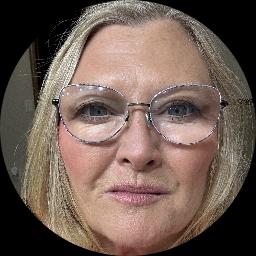
Darla Cunningham is a Licensed Professional Counselor (LPC) in Missouri with four years of clinical experience. She focuses on stress, anxiety, depression, trauma and abuse, self-esteem, and communication problems. Darla explains things plainly and likes to set clear goals when people come to therapy.
In sessions she uses a collaborative style. She talks through coping strategies, practical skills for managing strong emotions, and ways to rebuild confidence after setbacks. Conversations often include role-playing or practicing how to say what needs to be said. Simple behavioral techniques and attention to everyday habits are common parts of the work.
Darla aims to help people reduce overwhelming anxiety and handle family-related stress. She also supports people managing effects of trauma and improving how they connect with others. Sessions may focus on small, concrete steps that lead to steadier mood and clearer communication.
She describes therapy as goal-oriented and interactive. Clients can expect to leave with homework tasks they can try between meetings. Progress is tracked in plain terms so people can see what is changing and what still needs work.
Darla offers services in English and practices in Missouri as an LPC. Before a first appointment she asks people to describe their current concerns and what they want to change. That helps shape a straightforward plan to begin addressing stress, anxiety, and communication difficulties.
Approaches that inform online sessions
Evidence-based therapeutic techniques are part of her practice. Cognitive-style approaches look at how thoughts influence feelings and behavior, then teach practical ways to test and change unhelpful thinking. This can help with anxiety, low mood, and negative self-talk.Behavioral strategies focus on what people do day to day. They include gradual exposure to feared situations, activity scheduling to lift mood, and simple habit changes that reduce stress. These techniques are useful for social anxiety, avoidance, and getting back into routines.
Choosing the right approach is collaborative. The therapist works with clients to identify goals, try methods, and adjust what’s used based on what helps. That means sessions may start with one method and shift as progress becomes clear.
Confirm session formats before booking, since the original biography does not specify them. Online sessions can make it easier to fit therapy into a busy life by removing commute time and allowing appointments during breaks. They also allow shorter check-ins when needed, and can be a practical option for people who prefer not to travel to an office.
Areas of expertise
Primary focus
Additional focus areas
Experience
4+ years
Credentials
Missouri
Languages
English
Frequently asked questions
What kinds of concerns does she help with?
She works with stress, anxiety, depression, trauma and abuse, self-esteem issues, and communication problems, plus related areas like self-love and social anxiety.
How would you describe her therapeutic style?
Her style is collaborative and practical. She focuses on clear goals, skill building, and real-world exercises to practice between sessions.
How much experience does she have?
She has four years of experience working as a clinician in counseling settings.
What are her credentials and where is she based?
She is a Licensed Professional Counselor (LPC) licensed in Missouri and provides services from that state.
In which languages are sessions offered?
Sessions are offered in English.
Can international clients work with her?
She is not currently accepting international clients.
What session formats are available?
The original profile does not list specific session formats; confirm current session options before booking to know whether in-person or remote meetings are available.
How does cost and billing work?
Cost varies with location and sessions use a subscription that can be canceled at any time; exact pricing depends on the selected plan and location.
Online talk therapy is not emergency care, and no counselor can promise how a conversation or a relationship will turn out. If you feel unsafe, call or text 988, or call 911. Crisis information