- Client-Centered Therapy
- Trauma-Focused methods
- Recovery experience
About Dawn
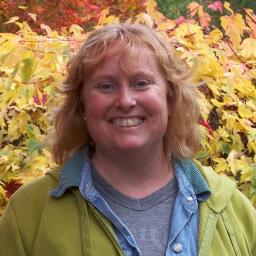
Dawn Ogle is a Licensed Professional Counselor (LPC) in Oregon with 13 years of clinical experience. She lists stress, anxiety, addictions, trauma and abuse, parenting, and anger among her core concerns and includes communication problems and guilt and shame as additional areas of focus.
Dawn uses straightforward conversation to help people sort through what is keeping them stuck. She draws on client-centered methods that prioritize the client's goals and perspectives. When past traumatic events are relevant, she uses trauma-focused work to address their impact on daily life and relationships.
Her background includes work in recovery services, victims' services, and dual-diagnosis care, plus teaching roles at Rogue Community College and Southern Oregon University. That mix has shaped a practical approach to coping, relapse prevention, and handling strong emotions.
Sessions typically involve talking through recent problems, identifying patterns in communication, and practicing simple changes that can shift interactions at home or work. She also helps people deal with shame, rebuild self-esteem, and manage parenting stresses without judgment.
Outside of clinical work, Dawn spends time camping, crafting, playing Native American drums and singing, rock hounding, and enjoying music with friends. Her personal interests inform a down-to-earth style in session, with an emphasis on concrete steps people can take between meetings.
How her approaches translate to online work
Dawn uses client-centered therapy, which focuses on the person’s own goals and experience. In practice this means sessions begin with what the client wants to change and then move toward doable steps that fit daily life. This approach can help with communication problems by making clear what someone wants from a conversation and how to ask for it.She also uses trauma-focused therapy when past harm affects current behavior. Trauma-focused work looks at how traumatic events shape reactions and relationships, and then helps reduce their hold on everyday interactions. That can be useful for people whose anxiety or anger traces back to earlier events.
Finding the right approach is part of the work together. The therapist will discuss options and decide collaboratively which methods to try based on the client's goals and preferences. Sessions may include talking through recent interactions, practicing phrasing for difficult conversations, and setting small homework tasks to try between meetings.
Session formats are not listed in the biography, so confirm current online options before booking. Online sessions can make it easier to fit therapy into a busy schedule, allow shorter check-ins when helpful, and avoid travel time for appointments.
Areas of expertise
Primary focus
Additional focus areas
Therapeutic approaches
Experience
13+ years
Credentials
Oregon
Languages
English
Frequently asked questions
What concerns does she address?
Dawn works with stress, anxiety, addictions, trauma and abuse, parenting challenges, and anger. She also focuses on communication problems, guilt and shame, polyamory and women’s issues.
What is her therapeutic style like?
She uses a client-centered approach that centers the client's goals and perspective. Conversations are practical and aim to identify small changes in how people communicate and cope.
How much clinical experience does she have?
She has 13 years of clinical experience, including work in recovery services, victims' services, and dual-diagnosis care.
What are her credentials and where is she based?
She is a Licensed Professional Counselor (LPC) practicing in Oregon.
Which languages are sessions offered in?
Sessions are offered in English.
Does she work with international clients?
She is not currently accepting international clients.
How are sessions paid for and what about cost?
Costs vary with location and care are handled through a subscription model that can be canceled at any time.
How do I begin a first session?
Select the See online therapy options button, complete a short matching questionnaire, and schedule your first session.
Online talk therapy is not emergency care, and no counselor can promise how a conversation or a relationship will turn out. If you feel unsafe, call or text 988, or call 911. Crisis information