- CBT methods
- Narrative techniques
- Solution-focused work
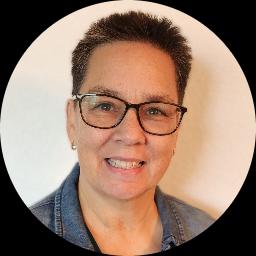
About Dorothy
Dorothy Watkins is an LCSW - Licensed Clinical Social Worker in Arizona with 26 years of professional experience. She works with people dealing with stress, anxiety, trauma and abuse, and grief. Dorothy also focuses on issues like adoption and foster care, caregiver stress, communication problems, family difficulties, loneliness, and young adult concerns.
Over a long career she has worked in settings that exposed her to many different kinds of emotional strain. She helps people name what feels stuck and practice clearer ways to say what they need. Sessions prioritize practical steps and short-term strategies to reduce overwhelm and improve daily functioning.
Dorothy uses methods from cognitive behavioral therapy and solution-focused approaches to set concrete goals. She also draws on narrative therapy to help people reframe difficult stories and on motivational interviewing to build momentum for change. Trauma-focused techniques are part of her approach when past events are central to current problems.
Her style is straightforward and task-oriented. She encourages small experiments between sessions so people can test new communication habits and notice what changes. This can include role-play, scripting difficult conversations, or stepwise exposure to anxious situations.
Sessions are conducted in English and follow the professional standards expected of an Arizona LCSW. Before booking, readers should confirm current session formats and scheduling details through the platform's matching and scheduling process.
How her approaches translate to online work
Online sessions can use cognitive behavioral techniques to identify unhelpful thoughts, test new behaviors, and work on concrete communication skills. CBT exercises often include short between-session tasks to practice new ways of speaking and reacting.Motivational interviewing helps when someone feels stuck or unsure about change. It focuses on clarifying personal reasons for change and building small, achievable steps toward clearer communication and reduced avoidance.
Narrative therapy supports reworking the stories people tell about themselves and their relationships. It can help someone separate a past event from their present identity and try different ways of describing difficult interactions.
Choosing an approach is collaborative. The therapist will discuss goals, preferences, and what feels practical, then try techniques that fit the client's needs. Adjustments are expected and discussed as progress unfolds.
Session formats are not specified in the biography, so confirm current online session options before booking. Online sessions can make it easier to fit therapy into a workday, allow a shorter check-in when time is limited, or avoid travel time. Those practical benefits can help someone regularly practice new communication habits.
Areas of expertise
Primary focus
Additional focus areas
Therapeutic approaches
Experience
26+ years
Credentials
Arizona
Languages
English
Frequently asked questions
What kinds of problems does she help with?
She supports people with stress, anxiety, trauma and abuse, and grief. Additional focuses include adoption and foster care, caregiver stress, communication problems, family issues, loneliness, and young adult challenges.
What is her general therapeutic approach?
Her approach is practical and goal-focused, using techniques from cognitive behavioral therapy, solution-focused work, narrative therapy, motivational interviewing, and trauma-focused methods to address symptoms and behaviors.
How much experience does she have?
She has 26 years of professional experience working in behavioral health and related settings.
What are her credentials and where is she based?
She is an LCSW - Licensed Clinical Social Worker, licensed in Arizona. Her practice location is Arizona.
Which languages are supported in sessions?
Sessions are offered in English.
Does she work with international clients?
She does not accept international clients at this time.
How much do sessions cost?
Cost varies with location and sessions use a subscription model that can be canceled at any time.
How do I start a first session?
Use the See online therapy options button, complete the short matching questionnaire, and then schedule an initial session through the platform.
Online talk therapy is not emergency care, and no counselor can promise how a conversation or a relationship will turn out. If you feel unsafe, call or text 988, or call 911. Crisis information