- Communication problems
- Trauma and abuse
- Depression
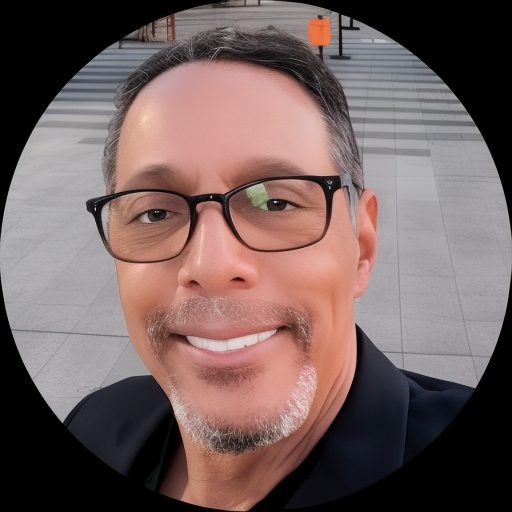
About Edward
Edward Williams is a Licensed Clinical Social Worker (LCSW) practicing in California with 20 years of experience. He works with people facing depression, grief, trauma and relationship concerns, and he lists communication problems among his focus areas.
He meets people who are dealing with big life changes and heavy feelings. Sessions address grief, trauma, and the kinds of relationship patterns that keep repeating. He also helps clients manage caregiver stress, aging concerns, and issues tied to adoption or abandonment.
Edward uses evidence-based therapeutic techniques to help people reduce shame, understand what triggers their reactions, and build practical coping skills. Conversations are straightforward and aim to clarify what is getting in the way of better communication and calmer daily living.
He has worked with adults across many life stages, including men and caregivers, and brings two decades of clinical experience to each case. That experience includes supporting people through divorce, infidelity, end-of-life care, and other stressful transitions.
In sessions he focuses on concrete steps: naming patterns, practicing different ways to speak about hard topics, and trying small behavior changes between meetings. This approach is meant to make disagreements easier to handle, reduce ongoing conflict, and help people feel more able to cope with loss and change.
Evidence-based approaches for online care
Two evidence-based therapeutic techniques he uses involve focusing on present-day patterns and teaching concrete coping skills. One approach helps people identify repeated interaction patterns and try new ways of communicating to reduce conflict. Another approach concentrates on building manageable skills for mood and stress regulation, such as brief behavioral changes and practical exercises to use between sessions.Choosing the right approach is part of the work. He will discuss different methods with the client and decide together which techniques best match the client’s needs, goals, and preferences. That collaborative planning helps tailor session activities and homework to real life demands.
Confirm current session formats before booking, as the biography does not specify them. Online work can make it easier to fit therapy into a busy week, allow shorter check-ins when needed, and remove commute time so meetings are more practical. These advantages can help people maintain consistency while they practice new communication habits and coping strategies.
Areas of expertise
Primary focus
Additional focus areas
Experience
20+ years
Credentials
California
Languages
English
Frequently asked questions
What concerns does he address?
He focuses on relationship difficulties, trauma and abuse, grief, depression, and coping with life changes. Communication problems are listed among his additional focus areas.
What style of therapy does he use?
He uses evidence-based therapeutic techniques aimed at reducing shame and building coping skills. The emphasis is on clear, practical work in sessions.
How much clinical experience does he have?
He has 20 years of experience working with adults through major life transitions and emotional challenges. That background includes work with caregiving and end-of-life counseling topics.
What are his credentials and where is he based?
He is a Licensed Clinical Social Worker (LCSW) licensed in California and practices there.
Which languages are supported in sessions?
Sessions are offered in English.
Can international clients work with him?
He is not currently accepting international clients.
How are fees and billing handled?
Cost varies with location and sessions use a subscription that can be canceled at any time.
How do I begin a first session?
Use the See online therapy options button, complete a short matching questionnaire, and schedule your first session through that process.
Online talk therapy is not emergency care, and no counselor can promise how a conversation or a relationship will turn out. If you feel unsafe, call or text 988, or call 911. Crisis information