- CBT methods
- Anger management
- Stress coping
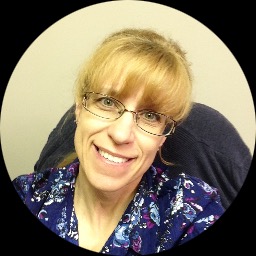
About Laura
Laura Gose is a Licensed Clinical Mental Health Counselor (LCMHC) in North Carolina with 17 years of professional experience. She works with people facing stress, anxiety, trauma and abuse, anger, depression, and coping with life changes. Laura also focuses on communication problems, attachment issues, panic, and mood disorders.
She listens for the patterns that keep conversations stuck and the behaviors that keep problems repeating. Sessions emphasize clear, practical steps people can try between meetings. Laura frames clients as experts on their own lives and draws on their strengths to move forward.
Her main clinical approach is Cognitive Behavioral Therapy (CBT), which looks at how thoughts, feelings, and actions interact. In practice she uses CBT techniques to address anxious thinking, low mood, and unhelpful reactions to stress. This can include breaking down problems, trying small behavior changes, and tracking what works.
Laura has worked with individuals, couples, and families across settings during her career. She prioritizes straightforward feedback and measurable steps so progress is easier to notice. Sessions are meant to be practical, brief, and focused on what the person wants to change.
If someone is unsure about beginning therapy, Laura encourages a simple first step: complete the intake and schedule an initial session. That first meeting is used to clarify goals and decide on a plan that fits the person’s life.
How CBT-based work translates to online sessions
Laura uses Cognitive Behavioral Therapy (CBT) as a core approach. CBT looks at how thoughts and behaviors feed stress and anxiety. Sessions focus on identifying unhelpful thinking patterns and testing new behaviors to reduce symptoms and improve communication.The process of finding the right approach is collaborative. Laura will review your goals and preferences in the first meetings and suggest strategies to try. Together you decide which CBT techniques or exercises to prioritize and how to use them between sessions.
Confirm current session options before booking, as specific formats are not listed here. Online sessions can make it easier to fit appointments into a busy schedule, shorten travel time, and allow for quicker check-ins when needed. They also let people practice communication skills from the environments where those conversations usually happen. If you prefer, discuss format and timing during the intake so sessions work with your day-to-day life.
Areas of expertise
Primary focus
Additional focus areas
Therapeutic approaches
Experience
17+ years
Credentials
North Carolina
Languages
English
Frequently asked questions
What concerns does she help with?
She helps people with stress, anxiety, trauma and abuse, anger, depression, and coping with life changes, plus related issues such as communication problems and panic.
What is her therapy style like?
Her work uses practical, task-focused sessions. She offers clear feedback and small, actionable steps between meetings.
How much clinical experience does she have?
She has 17 years of professional work experience in counseling and related settings.
What are her credentials and where is she based?
She holds the LCMHC credential and practices in North Carolina.
Which languages are supported in sessions?
Sessions are offered in English only.
Can international clients work with her?
She does not accept international clients at this time.
How are sessions paid for and what does it cost?
Cost varies with location and sessions use a subscription that can be canceled at any time.
What do I do to start a first session?
Select the See online therapy options button, complete the short matching questionnaire, and schedule an initial session.
Online talk therapy is not emergency care, and no counselor can promise how a conversation or a relationship will turn out. If you feel unsafe, call or text 988, or call 911. Crisis information