- Stress and anxiety
- LGBT related issues
- Trauma and abuse
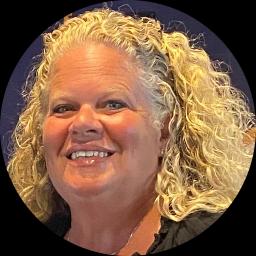
About Laura
Laura Nash is a Licensed Professional Counselor (LPC) in South Carolina with nine years of experience. She helps people who are managing stress, anxiety, LGBT concerns, trauma and abuse, self-esteem issues, and compassion fatigue. She also focuses on communication problems, isolation and loneliness, self-love, and social anxiety and phobia.
She keeps sessions straightforward and direct. Conversations cover what is happening now and practical steps to change patterns that feel stuck. She pays attention to how people talk about themselves and others, and looks for small shifts that improve daily interactions.
In the room she asks clear questions and offers ways to practice different responses outside sessions. That often means rehearsing how to start hard conversations, setting boundaries, or trying short exercises to reduce anxious reactions. The work is action-oriented but conversational, with space to process difficult feelings.
Laura draws on evidence-based therapeutic techniques to guide decisions about what to try next. She explains options in plain language and checks in about what feels useful. This helps people notice what helps and what does not, then adjust accordingly.
Sessions move at a practical pace so progress can be measured. People who struggle to say what they need or who keep repeating the same arguments may find the focus helpful. To begin, clients follow the site steps to match and schedule their first appointment.
How evidence-based approaches translate to online sessions
Laura uses evidence-based therapeutic techniques to guide sessions, explained in plain terms so clients know what to expect. One approach focuses on identifying and changing unhelpful thinking and behavior patterns; it helps with anxiety, low self-esteem, and repeated communication problems by teaching practical skills to try between sessions. Another approach emphasizes practicing communication skills in session and in real life; this includes rehearsing difficult conversations, setting boundaries, and testing new responses to reduce repeated arguments.Finding the right approach is part of the work. The therapist collaborates with each person to choose methods that match their goals and preferences, and she will adjust the plan if something is not working. That collaborative process helps people try small changes and measure what improves day to day.
The site notes session formats during sign-up, so confirm current options before booking. Online sessions can make it easier to fit meetings into a busy week, allow shorter check-ins when needed, and remove travel time. These practical benefits help people keep therapy consistent alongside work, family, or other commitments.
Areas of expertise
Primary focus
Additional focus areas
Experience
9+ years
Credentials
South Carolina
Languages
English
Frequently asked questions
What kinds of concerns does she address?
She works with stress, anxiety, LGBT matters, trauma and abuse, self-esteem, and compassion fatigue. She also focuses on communication problems, isolation, self-love, and social anxiety and phobia.
What is her therapeutic style?
Sessions are practical and conversational, with clear questions and actionable steps. Expect time to practice new ways of speaking and responding between meetings.
How long has she been practicing?
She has nine years of professional experience working with adults on the issues listed above.
What credential does she hold and where is she based?
She is a Licensed Professional Counselor (LPC) licensed in South Carolina and practices there.
Which languages are supported?
Sessions are offered in English.
Can people from other countries work with her?
She is not currently accepting international clients.
How does payment and cost work?
Cost varies by location and sessions use a subscription that can be canceled at any time. Specific pricing is provided during the sign-up process.
How do I begin if I want to work with her?
Select the See online therapy options button, complete the short matching questionnaire, and schedule a first session.
Online talk therapy is not emergency care, and no counselor can promise how a conversation or a relationship will turn out. If you feel unsafe, call or text 988, or call 911. Crisis information