- CBT methods
- DBT skills
- Mindfulness practice
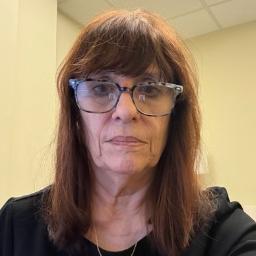
About Loretta
Loretta Samenga is a Licensed Clinical Social Worker (LCSW) in New York with six years of clinical experience. She works with people facing stress, anxiety, addictions, low self-esteem, bipolar disorder, and depression. Loretta also addresses communication problems and related concerns such as abandonment, attachment issues, and caregiver stress.
She uses straightforward, person-focused methods in sessions. Conversations are practical and goal-oriented. Clients can expect work on coping skills, clearer communication, and managing emotions day to day.
Loretta draws on several established approaches, including Client-Centered Therapy, Cognitive Behavioral Therapy (CBT), Dialectical Behavior Therapy (DBT), Emotionally-Focused Therapy (EFT), and Mindfulness Therapy. She blends these to match what each person needs, emphasizing skills people can use between sessions.
Sessions often include talking through patterns that lead to repeated arguments, practicing ways to say what’s needed, and learning techniques to reduce anxiety or urges tied to addiction. She helps people notice unhelpful thoughts and try small behavior changes to test different outcomes.
Her background is social work practice in New York and six years of work with mood and interpersonal issues. Clients who want to focus on communication, boundaries, or managing strong emotions may find the practical focus helpful. To start, readers should check the online options and complete the brief matching questionnaire before scheduling a first session.
Approaches used and how online sessions work
Client-Centered Therapy focuses on the person’s experience and listening to what matters most. It helps people feel heard and clarifies personal goals for improving communication and self-worth.Cognitive Behavioral Therapy (CBT) looks at the links between thoughts, feelings, and actions. It teaches people to spot unhelpful thoughts and try small behavior experiments to change how they respond in tense conversations.
Dialectical Behavior Therapy (DBT) offers concrete skills for emotion regulation, distress tolerance, and interpersonal effectiveness. These skills are helpful for reducing repeated arguments and managing strong emotional reactions.
Finding the right mix of approaches is part of the work. The therapist will discuss your goals and preferences and together decide which methods to try first. That collaborative process helps shape session focus and homework between meetings.
Session formats are not listed in the biography, so confirm current options before booking. Online work can make it easier to fit sessions into a busy week, allow shorter check-ins when needed, and reduce travel time. Therapists often adapt exercises and skills practice for use during remote sessions so clients can apply techniques in everyday situations.
Areas of expertise
Primary focus
Additional focus areas
Therapeutic approaches
Experience
6+ years
Credentials
New York
Languages
English
Frequently asked questions
What kinds of concerns does she help with?
She supports people with stress, anxiety, addictions, self-esteem struggles, bipolar disorder, and depression. Communication problems are listed among her focus areas.
How would you describe her therapeutic style?
Her style is practical and person-centered, focusing on clear communication and skill-building. Sessions emphasize concrete tools to use between meetings.
How much clinical experience does she have?
She has six years of practice as a clinician working with mood and interpersonal issues. That experience informs her use of several established approaches.
What are her credentials and where does she practice?
She is a Licensed Clinical Social Worker (LCSW) licensed in New York and practices there.
Which languages are sessions offered in?
Sessions are offered in English.
Does she work with international clients?
She does not accept international clients at this time.
How are costs and payments handled?
Cost varies by location and sessions use a subscription that can be canceled at any time. Specific pricing is provided during the sign-up process.
What should I do to begin working with her?
Use the See online therapy options button, complete the short matching questionnaire, and then schedule your first session.
Online talk therapy is not emergency care, and no counselor can promise how a conversation or a relationship will turn out. If you feel unsafe, call or text 988, or call 911. Crisis information