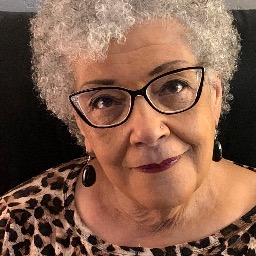
Sharon Calhoun
LMSWMichigan · 35 yrs exp
LMSW - Stress and relationship concerns
Stress, Anxiety · Addictions · Trauma and abuse · Self esteem · +3 more
Read profileTherapist listings come from BetterHelp. We will earn a commission at no extra cost to you if you use our links to buy.
Browse profiles of therapists who list family of origin issues among their specialties. Use the filters below to review approaches, languages, and experience and find a counselor who aligns with your goals.
Michigan · 35 yrs exp
LMSW - Stress and relationship concerns
Stress, Anxiety · Addictions · Trauma and abuse · Self esteem · +3 more
Read profile
Nevada · 18 yrs exp
Licensed Professional Counselor - Relationships and Anxiety
Stress, Anxiety · Relationship · Family · Parenting · +1 more
Read profile
Arizona · 10 yrs exp
LPC in Arizona - Stress and Communication
Stress, Anxiety · Sleeping · Self esteem · Depression · +1 more
Read profile
Missouri · 24 yrs exp
LCSW - Stress and communication support
Stress, Anxiety · LGBT · Trauma and abuse · Grief
Read profile
Minnesota · 10 yrs exp
LICSW - Bipolar and ADHD care
Bipolar · ADHD
Read profile
Texas · 3 yrs exp
Licensed Professional Counselor - Stress and Communication
Stress, Anxiety · Trauma and abuse · Grief · Depression · +1 more
Read profile
Georgia · 7 yrs exp
LICSW LCSW - Stress and communication
Stress, Anxiety · Trauma and abuse · Self esteem · Depression · +10 more
Read profile
Missouri · 4 yrs exp
Licensed Professional Counselor - Stress and Anxiety
Stress, Anxiety · Addictions · Trauma and abuse · Depression · +16 more
Read profile
Texas · 3 yrs exp
LPC in Texas - relationships and stress
Relationship · Stress, Anxiety · Family · Grief · +4 more
Read profile
Texas · 10 yrs exp
Licensed Professional Counselor - Stress and Communication
Stress, Anxiety · Addictions · Self esteem · Coping with life changes · +1 more
Read profile
Georgia · 12 yrs exp
Licensed Professional Counselor - Relationships and Communication
Stress, Anxiety · Relationship · Family · Grief · +11 more
Read profile
Alabama · 8 yrs exp
LICSW - Stress and Anxiety support
Stress, Anxiety · Trauma and abuse · Parenting · Depression · +1 more
Read profile
Pennsylvania · 21 yrs exp
LCSW - Relationship and stress concerns
Stress, Anxiety · Relationship · Grief · Depression · +1 more
Read profile
Florida · 13 yrs exp
LCSW - Relationships and Anxiety
Stress, Anxiety · Relationship · Family · Self esteem · +1 more
Read profile
Mississippi · 20 yrs exp
Licensed Professional Counselor - Communication and Relationships
Stress, Anxiety · Addictions · Trauma and abuse · Anger · +14 more
Read profile
Florida · 19 yrs exp
Licensed counselor - Stress and trauma
Stress, Anxiety · LGBT · Family · Trauma and abuse · +2 more
Read profile
Texas · 30 yrs exp
Licensed Professional Counselor - Relationships and Trauma
Stress, Anxiety · Relationship · Trauma and abuse · Grief · +1 more
Read profile
California · 8 yrs exp
California LMFT - Relationships and Anxiety
Stress, Anxiety · Relationship · Trauma and abuse · Self esteem · +1 more
Read profile
Texas · 19 yrs exp
Licensed Professional Counselor - Relationships and Communication
Relationship · Trauma and abuse · Grief · Depression · +11 more
Read profile
Pennsylvania · 12 yrs exp
LPC in Pennsylvania - Stress and relationships
Stress, Anxiety · LGBT · Relationship · Trauma and abuse · +1 more
Read profile
New York · 11 yrs exp
LCSW - trauma and communication support
Stress, Anxiety · Family · Trauma and abuse · Grief · +1 more
Read profile
Florida · 37 yrs exp
LMHC in Florida - grief and life changes
Grief · Self esteem · Depression · Coping with life changes · +10 more
Read profile
Texas · 14 yrs exp
LPC in Texas - Anxiety and Life Changes
Stress, Anxiety · Trauma and abuse · Grief · Depression · +1 more
Read profile
Louisiana · 6 yrs exp
Licensed counselor - relationships and family
Relationship · Family · Self esteem · Depression · +1 more
Read profileFamily of origin issues refer to the emotional patterns, roles, and relational dynamics that develop in the family where you were raised and continue to shape how you relate to yourself and others. These patterns can include communication styles, expectations about closeness and independence, unspoken rules about emotions, and the ways conflict was handled. Because these early systems taught you what is normal and safe, they often run on autopilot and show up in adult relationships, parenting choices, work interactions, and your sense of self.
You may recognize recurring themes such as difficulty setting boundaries, taking on caretaking roles, repeating the same relationship conflicts, or having trouble trusting others. Some people notice a mismatch between what they want from relationships and what feels familiar or comfortable, which can create shame, guilt, or confusion. Family of origin work is not about blaming parents or choosing sides. Instead, it helps you disentangle the influence of learned patterns so you can exercise more choice in your relationships and emotional life.
If you often find yourself repeating the same relationship dynamics despite trying to change, family of origin work may be useful. You might be drawn to a partner who mirrors an unresolved dynamic from your upbringing, or you may swing between extreme caretaking and withdrawal. Another common sign is that you feel chronically anxious or defensive in close relationships without a clear external cause. You may also notice strong, disproportionate emotional reactions to relatively small triggers - responses that make sense when viewed through the lens of early family experiences.
Other indicators include difficulty expressing needs, a pattern of people-pleasing, persistent conflict with a family member that follows familiar interaction cycles, or an unclear sense of personal boundaries. Even if your life appears functional, these underlying patterns can erode satisfaction and intimacy over time. If you want to understand why you think, feel, and behave the way you do in relationships, and learn alternative ways of relating, focused therapy can help you map those patterns and experiment with new responses.
Therapy for family of origin issues typically begins with a phase of exploration where you and your therapist map the relational terrain that shaped you. In those early sessions you can expect to discuss family roles, communication habits, memorable incidents, and how these experiences influence current relationships. Your therapist will likely help you make connections between past and present without rushing to immediate solutions. This exploration establishes context and builds a clearer picture of the patterns you want to shift.
As therapy progresses you will move from understanding to practice. That could involve experimenting with new ways of setting limits, naming emotional needs, or communicating in ways that differ from the scripts you learned growing up. Sessions may include role-play, reflective exercises, or guided processing of difficult memories so you can respond differently in the moment. Progress is often gradual and may feel uneven; breakthroughs can come after persistent, steady work rather than a single insight. A therapist will help you pace that work, attend to emotional safety, and develop skills to apply between sessions.
If you plan to involve family members directly, discuss options with your therapist. Some people choose individual work first to build clarity and coping skills before engaging in family sessions. Others consult about boundary-setting language and communication strategies to reduce escalation when reunions or conversations occur. You will likely practice both internal changes - such as altering self-talk and expectation patterns - and external actions, like communicating limits in a calm, consistent way.
Several therapeutic approaches are commonly used to address family of origin issues, and each offers a different emphasis you can consider when choosing a therapist. Psychodynamic and relational therapies focus on patterns that arose from early attachments and how those patterns play out in your adult relationships. These approaches often explore unconscious scripts, role expectations, and the emotional meanings you attach to family events.
Family systems approaches look at you in the context of larger relational patterns and may explore multi-generational influences and interaction cycles. Narrative therapy helps you examine the stories you tell about yourself and your family and craft alternative narratives that better reflect your values and goals. Cognitive-behavioral approaches focus on identifying and changing specific thought and behavior patterns that sustain relational difficulties. Experiential and somatic methods can be helpful if emotions are stored in the body and you want to integrate felt experience with cognitive understanding. You may find therapists who list EMDR among their approaches; some people explore those modalities when past experiences continue to generate strong emotional reactivity.
Therapists often blend elements from different approaches to tailor work to your needs. When looking at profiles, pay attention to the ways a therapist describes their focus and language about family dynamics rather than assuming training or certification from listed approaches.
Online therapy makes it possible to work on family of origin issues from a setting that feels familiar and emotionally manageable. Sessions typically occur by video or phone and follow the same rhythm as in-person work - exploration, skill practice, and reflection. You can use online therapy to maintain continuity across life changes, access clinicians who specialize in family dynamics beyond your local area, and schedule sessions more flexibly. Many people appreciate being able to process difficult emotions in a space where they can immediately practice new communication strategies with household members after sessions if appropriate.
When selecting a therapist, consider several practical and relational factors. Look for counselors who explicitly list family of origin issues, attachment work, or family systems among their areas of focus. Read how they describe their approach to relationships and whether their language resonates with you. Consider demographics and lived experience that matter to you, such as cultural background, language, or experience with specific family structures. It is also useful to note the modalities a therapist lists, but remember that listing an approach is not the same as documented training; use descriptions of focus and style to evaluate fit.
Think about session logistics that affect your comfort and consistency - session length, communication style, and whether you prefer phone or video. Many people find it helpful to start with one or two exploratory sessions to see how the therapist listens, the questions they ask, and whether you feel understood. Trust your experience in those first meetings; a good fit feels collaborative and clarifying, not rushed or judgmental. Finally, prepare a few topics you want to work on so you can use early sessions to set clear goals. Therapy tailored to family of origin issues is most effective when you have a balance of insight and practice - understanding why patterns exist and trying different ways of relating in your daily life.
Working on family of origin issues can be a powerful route to changes in how you relate, how you care for yourself, and how you show up with others. With thoughtful selection and collaborative work, you can develop new habits that reflect who you want to be rather than only who you were taught to be.
Alabama
72 therapists
Alaska
9 therapists
Arizona
66 therapists
Arkansas
31 therapists
California
569 therapists
Colorado
95 therapists
Connecticut
49 therapists
Delaware
15 therapists
District of Columbia
11 therapists
Florida
454 therapists
Georgia
134 therapists
Hawaii
17 therapists
Idaho
30 therapists
Illinois
169 therapists
Indiana
79 therapists
Iowa
21 therapists
Kansas
35 therapists
Kentucky
59 therapists
Louisiana
98 therapists
Maine
20 therapists
Maryland
99 therapists
Massachusetts
58 therapists
Michigan
129 therapists
Minnesota
42 therapists
Mississippi
46 therapists
Missouri
97 therapists
Montana
26 therapists
Nebraska
17 therapists
Nevada
31 therapists
New Hampshire
7 therapists
New Jersey
88 therapists
New Mexico
17 therapists
New York
256 therapists
North Carolina
164 therapists
North Dakota
6 therapists
Ohio
110 therapists
Oklahoma
74 therapists
Oregon
32 therapists
Pennsylvania
155 therapists
Rhode Island
5 therapists
South Carolina
94 therapists
South Dakota
11 therapists
Tennessee
75 therapists
Texas
477 therapists
Utah
41 therapists
Vermont
12 therapists
Virginia
103 therapists
Washington
67 therapists
West Virginia
11 therapists
Wisconsin
70 therapists
Wyoming
9 therapists