- Stress and anxiety
- Addictions support
- LGBTQ concerns
About Lorie
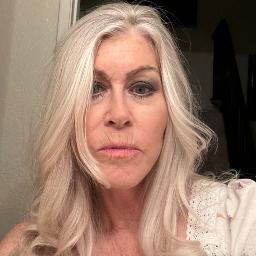
Lorie Mangen is a California-licensed clinical social worker (LCSW) with 10 years of professional experience. She works with people managing stress, anxiety, addictions, LGBTQ concerns, trauma and PTSD, and attention and memory challenges. She also addresses communication problems, guilt and shame, questions about life purpose, and self-love.
In sessions she focuses on practical conversation and clear goals. She helps people name what’s getting in the way of talking about hard things. She guides clients through decision points, coping strategies, and ways to reduce repeated arguments or misunderstandings.
Her approach is straightforward. She listens, reflects what she hears, and suggests small experiments to try between sessions. These might include short behavioral steps, new ways of phrasing requests, or routines to support focus and memory.
She brings a decade of experience from work in California settings. That background informs how she helps people handle trauma-related symptoms, substance use concerns, and anxiety so daily life gets easier to manage.
When someone reaches out, she starts by clarifying goals and practical next steps. Sessions aim to create clearer communication, better day-to-day coping, and more confidence in handling difficult conversations. The first meeting is a place to map out priorities and decide what to work on together.
Evidence-based approaches and how they work online
Many clinicians use evidence-based therapeutic techniques that focus on changing unhelpful thoughts and behaviors. Cognitive-style work looks at the thoughts that keep anxiety and worry active and teaches simple skills to test and shift those thoughts, which can reduce anxious reactions and improve decision making.Behavioral techniques focus on small, practical steps. These can include breaking larger problems into manageable tasks, creating brief routines for attention and memory, and rehearsing new ways to speak up in conversations to reduce repetitive arguments or avoidance.
Finding the right mix of techniques is part of the process. The therapist will work collaboratively to identify goals, try different approaches, and adjust methods based on what helps most. Clients and therapist decide together which strategies to keep using and which to change.
Session formats are not specified in the biography, so confirm current options before booking. Online work can make it easier to fit sessions into a busy week, reduce travel time, and allow quicker check-ins when needed. Phone sessions use less bandwidth and can be a shorter way to touch base, while video sessions let the therapist and client use gestures and facial cues during practice conversations. These practical benefits help therapy fit into everyday life.
Areas of expertise
Primary focus
Additional focus areas
Experience
10+ years
Credentials
California
Languages
English
Frequently asked questions
What concerns does she work with?
She works with stress, anxiety, addictions, LGBTQ related issues, trauma and PTSD, and attention or memory concerns. Communication problems, guilt and shame, life purpose, and self-love are also listed areas of focus.
What is her therapeutic style?
Her style is practical and goal-focused. She listens, reflects, and suggests small steps or exercises to try between sessions.
How much clinical experience does she have?
She has 10 years of professional work experience in clinical settings.
What credentials and location are listed?
She is a California LCSW and practices in California.
Which languages are sessions offered in?
Sessions are offered in English.
Does she work with international clients?
She does not accept international clients at this time.
How are session costs handled?
Cost varies with location and sessions use a subscription model that can be canceled at any time.
What are the first steps to begin?
Select the See online therapy options button, complete a short matching questionnaire, and schedule a first session.
Online talk therapy is not emergency care, and no counselor can promise how a conversation or a relationship will turn out. If you feel unsafe, call or text 988, or call 911. Crisis information