- Cognitive behavioral therapy
- Narrative therapy
- Mindfulness practice
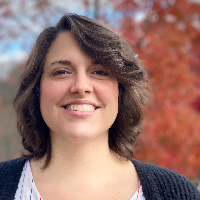
About Maghan
Maghan Eversmith is a Licensed Professional Counselor (LPC) practicing in Tennessee with six years of experience. She works with adults on common concerns such as stress, anxiety, relationship strain, communication problems, parenting pressures, and challenges with self-esteem and mood.
Maghan prefers cognitive behavioral therapy (CBT) as a practical foundation because she uses thinking patterns to help change feelings and actions. She also draws on client-centered ideas, narrative approaches, mindfulness, and motivational interviewing to match specific needs. She aims to find techniques that fit the person rather than using one fixed method.
Her training includes a Master of Arts in Clinical Mental Health and a Bachelor of Arts in Psychology from the University of North Carolina at Greensboro. Earlier volunteer experience and clinical roles led to work across age ranges, and she has experience connected to foster care in Nashville, Tennessee.
In sessions she focuses on building skills people can use day to day. That can mean learning ways to manage panic or anxiety, practicing clearer communication, setting achievable goals, or developing routines to improve mood. She often uses short exercises and homework between sessions.
Maghan says change is possible and that most people benefit from a clear plan and someone objective to discuss progress with. She supports clients as they try new strategies and adjusts approaches when something isn’t working.
How Maghan uses common approaches in online sessions
Maghan commonly draws on cognitive behavioral therapy and mindfulness in her work. CBT looks at patterns of thought and behavior and uses concrete exercises to shift unhelpful thinking and reactions; it is often used for anxiety, panic, and mood concerns. Mindfulness practice helps people notice thoughts and bodily reactions without immediately reacting, which can reduce reactivity and improve focus. She also uses client-centered techniques that prioritize the client's perspective and goals. Figuring out which approaches to use is part of the early work together. The therapist and client collaborate to test methods, track what changes, and adjust the plan when needed. Confirm current session options before booking to learn which online formats are available. Online sessions can make it easier to fit appointments into a busy life, offer a quieter setting when needed, and allow short check-ins that work around work or parenting schedules. The focus remains on practical skill-building, communication practice, and measurable steps that can be used between sessions.Areas of expertise
Primary focus
Also works with
Additional focus areas
Therapeutic approaches
Experience
6+ years
Credentials
Tennessee
Languages
English
Frequently asked questions
What concerns does she address?
She works with stress, anxiety, relationship and communication problems, parenting issues, self-esteem, depression, grief, trauma, and related topics.
What is her approach in sessions?
She often uses cognitive behavioral therapy as a practical core and supplements it with client-centered methods, narrative therapy, mindfulness, and motivational interviewing.
How much clinical experience does she have?
She has six years of experience in mental health, including volunteer work and clinical roles tied to foster care in Nashville, Tennessee.
What are her credentials and where is she based?
She is a Licensed Professional Counselor (LPC) practicing in Tennessee.
Which languages are supported for sessions?
Sessions are offered in English only.
Can international clients work with her?
She is not currently accepting international clients.
How are sessions billed and what is the cost?
Cost varies with location; sessions use a subscription model that can be canceled at any time.
How do I start a first session?
Select the See online therapy options button, complete the short matching questionnaire, and then schedule a first session.
Online talk therapy is not emergency care, and no counselor can promise how a conversation or a relationship will turn out. If you feel unsafe, call or text 988, or call 911. Crisis information