- CBT techniques
- EMDR for trauma
- Mindfulness practice
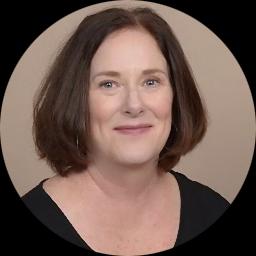
About Mary
Mary Reagan-Vorasorn is an Illinois licensed clinical professional counselor (LCPC) with 25 years of experience. She works with people facing stress, anxiety, addictions, trauma and abuse, and depression, and she also focuses on communication problems, control issues, guilt and shame, life purpose, and mood disorders.
She keeps sessions conversational and practical. Conversations focus on what is happening now and on small steps that can change daily life. Mary draws on several therapies to match each person’s needs rather than using one fixed method.
Her background includes long clinical practice in community and outpatient settings over many years. That experience has involved helping people manage traumatic memories, reduce anxious thinking, and break patterns that keep causing the same problems.
In sessions Mary blends cognitive behavioral ideas with client-centered listening and psychodynamic thinking to help people see patterns in how they relate to others. She also uses mindfulness practices to reduce stress and EMDR for people processing trauma or disturbing memories.
People who contact her are usually looking for concrete ways to handle upsetting emotions, speak more clearly in tense conversations, or get unstuck from repeating behaviors. The first visits typically map out current concerns, short-term goals, and a simple plan for the next few sessions.
Approaches used in online sessions and how they help
Client-Centered Therapy focuses on listening and reflecting so a person can better understand their feelings and what they need from conversations. It helps when someone struggles to say what they want or avoids difficult talks.Cognitive Behavioral Therapy (CBT) targets thoughts and behaviors that keep problems going. It uses clear steps and exercises to reduce anxious thinking, improve mood, and change repetitive interaction patterns.
Eye Movement Desensitization and Reprocessing (EMDR) works with distressing memories by pairing memory processing with guided bilateral stimulation. It is used by some people who have trauma or intrusive memories that affect daily life.
Choosing the right approach is part of therapy. The therapist will work with each person to figure out which methods fit their goals and preferences. That decision is revisited as work progresses so sessions stay useful.
Confirm the current session options before booking since formats are not specified in the biography. Online work can make it easier to fit appointments into a busy life, shorten commute time, and allow check-ins between larger sessions. It can also mean different practical setups such as shorter check-ins or sessions without video, depending on what the person needs and what the therapist offers.
Areas of expertise
Primary focus
Additional focus areas
Therapeutic approaches
Experience
25+ years
Credentials
Illinois
Languages
English
Frequently asked questions
What concerns does she help with?
She works with stress, anxiety, addictions, trauma and abuse, and depression. Communication problems and related issues like guilt and control are also focus areas.
What is her general approach in sessions?
Her style is conversational and practical. She mixes client-centered listening with cognitive behavioral strategies and other methods to address immediate problems.
How much clinical experience does she have?
She has 25 years of experience working in clinical practice. That time includes work with people affected by trauma and long-term mood or anxiety concerns.
What credential does she hold and where is she based?
She is an LCPC, which stands for Licensed Clinical Professional Counselor, licensed in Illinois.
Which languages are sessions offered in?
Sessions are offered in English only.
Does she work with international clients?
International clients are not accepted at this time.
How are costs handled?
Cost varies with location and sessions use a subscription model that can be canceled at any time.
How do I begin a first session?
Start by selecting the See online therapy options button, complete a short matching questionnaire, and then schedule a first session.
Online talk therapy is not emergency care, and no counselor can promise how a conversation or a relationship will turn out. If you feel unsafe, call or text 988, or call 911. Crisis information