- Acceptance and Commitment Therapy
- Cognitive Behavioral Therapy
- Client-Centered Therapy
About Pamela
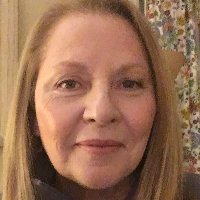
Pamela McGarry is a Licensed Mental Health Counselor (LMHC) and a Licensed Professional Counselor (LPC) with 28 years of experience based in Pennsylvania. She focuses on stress, anxiety, addictions, grief, self esteem, and depression, and she also works with people dealing with communication problems and related life challenges.
Her style is practical and collaborative. Sessions look at what is getting in the way of daily functioning and clear communication. She helps people learning skills for handling strong emotions, making decisions, and coping with loss or change.
Pamela draws on several well-known therapies to guide work in sessions. She uses Acceptance and Commitment Therapy to clarify values and reduce avoidance. She applies Cognitive Behavioral Therapy to identify unhelpful thoughts and change patterns that keep problems going. She also uses Client-Centered Therapy to focus on the client's perspective and emotional experience.
Over nearly three decades she has supported people through addiction recovery, caregiving stress, cancer-related concerns, and family of origin issues. Pamela addresses attachment and commitment questions, control and avoidant personality tendencies, and problems that come up in blended family situations.
Sessions are conducted in English and Pamela is open to international clients. Costs vary with location, and sessions use a subscription that can be canceled at any time. To begin, select the See online therapy options button, complete a short matching questionnaire, and schedule a first session.
How Pamela’s approaches translate to online work
Acceptance and Commitment Therapy (ACT) helps people notice painful thoughts and feelings without getting stuck, and then choose actions that fit their values. This can be useful for anxiety, avoidance, and when someone wants clearer direction in life. Cognitive Behavioral Therapy (CBT) focuses on identifying unhelpful thinking and changing behavior patterns that feed anxiety or low mood; it is practical and skill-based. Client-Centered Therapy emphasizes the person's experience and supports them in naming emotions and making decisions that feel right.Finding the right approach is part of the work. Pamela will discuss what matters to the client, their goals, and how they prefer to work. Together she and the client decide which methods to emphasize and adjust over time as needs change.
The biography does not list specific session formats, so confirm available options before booking. Online sessions can make it easier to fit therapy into a busy day, reduce travel time, allow shorter check-ins when needed, and remove the need to be on camera for every meeting. These practical benefits can help people maintain consistency and bring therapy into everyday life.
Areas of expertise
Primary focus
Additional focus areas
Therapeutic approaches
Experience
28+ years
Credentials
New York, Pennsylvania
Languages
English
Frequently asked questions
What concerns does she help with?
She works with stress, anxiety, addictions, grief, low self esteem, and depression, and addresses communication problems and related life challenges.
What is her therapeutic approach or style?
Her work is collaborative and practical, using approaches like ACT, CBT, and Client-Centered Therapy to develop skills and clarify values.
How much experience does she have?
Pamela has 28 years of clinical experience supporting people through addiction recovery, caregiving stress, bereavement, and family issues.
What credentials and location are listed?
She holds LMHC and LPC credentials and practices from Pennsylvania.
Which languages and international options are available?
Sessions are offered in English and she accepts international clients.
What session formats are offered?
The original biography does not specify session formats; please confirm current session options before booking.
How does pricing work?
Cost varies with location and sessions use a subscription model that can be canceled at any time.
How do I get started?
Select the See online therapy options button, complete the short matching questionnaire, and then schedule a first session.
Online talk therapy is not emergency care, and no counselor can promise how a conversation or a relationship will turn out. If you feel unsafe, call or text 988, or call 911. Crisis information