- Stress and anxiety
- Relationship issues
- Communication problems
About Robert
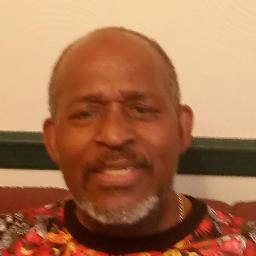
Robert Steele is a Licensed Clinical Social Worker (LCSW) with 26 years of practice in Virginia. He focuses on stress, anxiety, relationship and family concerns, trauma and abuse, and anger. He also works with people facing communication problems, control issues, divorce and separation, and the fallout of panic or post-traumatic stress.
Robert helps people who keep avoiding hard conversations or who keep returning to the same arguments. He works with individuals who feel isolated, ashamed, or stuck after life changes. Sessions are plainspoken and goal-oriented, with attention to what gets in the way of speaking up and staying connected.
His approach uses evidence-based therapeutic techniques to address patterns of thinking and behavior. He looks at how control issues and unresolved trauma affect reactions and relationships. When anger or panic shows up, he helps clients learn practical ways to respond differently in the moment.
Robert supports people exploring self-love, forgiveness, and sense of purpose. He also helps those coping with social anxiety, guilt, and loneliness. The work often includes practicing new conversations, setting clearer boundaries, and testing small changes in everyday life.
With long experience in clinical settings, he aims for straightforward work that focuses on what matters most to the client. People who struggle to say what they need or who want fewer repeated conflicts may find his style useful. Prospective clients should confirm current session options before booking.
How therapeutic methods translate to online work
Robert uses evidence-based techniques that focus on changing thoughts and behaviors and on rebuilding safer ways of relating. Cognitive approaches look at thinking patterns that feed anxiety and repeated arguments and teach practical exercises to test new responses. Trauma-focused techniques address reactions from past events and use pacing and grounding strategies to reduce overwhelming symptoms and improve daily functioning.Choosing the right approach is part of the therapy process. He reviews goals and preferences with each person and adjusts methods collaboratively over time. That way the plan reflects what the client needs and what feels workable in day-to-day life.
The site biography does not list specific online session formats, so confirm current session options before booking. Online sessions can make it easier to fit therapy into a workday, allow shorter check-ins when needed, and remove travel time. Many people find remote sessions help maintain consistency while they practice communication and coping skills in the settings where problems actually occur.
Areas of expertise
Primary focus
Additional focus areas
Experience
26+ years
Credentials
Virginia
Languages
English
Frequently asked questions
What kinds of concerns does he address?
He works with stress, anxiety, relationship and family issues, trauma and abuse, anger, and related areas such as communication problems and isolation.
What is his therapeutic style?
He uses evidence-based therapeutic techniques in a practical, goal-focused way that emphasizes changing unhelpful patterns and practicing different responses.
How much clinical experience does he have?
He has 26 years of experience as a clinician working with a range of concerns including panic, post-traumatic stress, and life transitions.
What are his credentials and location?
He is a Licensed Clinical Social Worker (LCSW) licensed in Virginia and practices there.
Which languages are supported?
Sessions are offered in English.
Can international clients work with him?
He does not accept international clients at this time.
How are sessions paid for and what does it cost?
Cost varies by location; sessions use a subscription model that can be canceled at any time.
How do I start a first session?
Select the See online therapy options button, complete a short matching questionnaire, and schedule a first session.
Online talk therapy is not emergency care, and no counselor can promise how a conversation or a relationship will turn out. If you feel unsafe, call or text 988, or call 911. Crisis information