- Trauma and abuse
- Anger management
- Communication problems
About Valdon
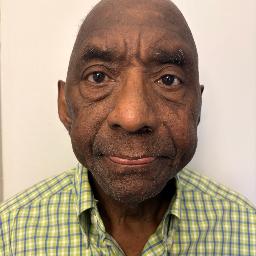
Valdon Walker is a Licensed Independent Social Worker - Clinical Practice (LISW-CP) in South Carolina with 40 years of professional experience. He works with people facing stress, anxiety, trauma and abuse, anger, bipolar disorder, and depression. He also focuses on communication problems, forgiveness, guilt and shame, loneliness, life purpose, panic, post-traumatic stress, self-love, and social anxiety.
Over a long career, Walker has helped people sort through immediate concerns and long-standing patterns. He treats conversations as the main tool - helping clients name what matters, notice how they react, and try different ways of speaking or listening. Sessions tend to be straightforward and practical, aimed at small, doable changes rather than big, sudden overhauls.
Walker approaches the work with respect for the person’s own knowledge of their life. He encourages clients to build on existing strengths and to test new responses in real situations. This often means rehearsing difficult conversations, managing emotional reactions, or finding ways to reduce panic and anxiety in day-to-day life.
When trauma or intense emotions are present, he focuses on safety, pacing, and grounding strategies so a person can manage strong feelings while they work. For mood conditions like depression or bipolar disorder, he helps people track moods and identify patterns that affect relationships and communication.
For anyone who has trouble saying what they need or keeps repeating arguments, Walker offers steady, experience-based guidance. To start, clients complete a short matching questionnaire and then schedule a first session where goals and next steps are discussed.
How evidence-based approaches are used online
Many of his methods focus on clear, evidence-based techniques that help with communication, mood, and trauma. Cognitive approaches help people notice thoughts that feed anxiety or anger and then try different responses. These techniques are useful for panic, social anxiety, and ongoing worry. Behavioral strategies focus on changing routines and practicing new skills. That can mean doing short exercises between sessions, rehearsing a hard conversation, or tracking patterns that affect mood and interaction. For trauma-related concerns he emphasizes pacing and grounding methods so strong feelings can be managed while progress is made. Finding the right approach is part of the work. He will collaborate with the client to decide which techniques match their needs, goals, and preferences. That choice can change over time as symptoms shift or as someone gains new skills. Confirm the precise session formats before booking, since options are not specified in the biography. Online therapy can make sessions easier to fit into a busy life, allow for brief check-ins during the day, and reduce travel time. It also lets people practice communication skills in the contexts where problems actually happen, which can support faster learning and transfer to everyday situations.Areas of expertise
Primary focus
Additional focus areas
Experience
40+ years
Credentials
South Carolina
Languages
English
Frequently asked questions
What concerns does he address?
He works with stress, anxiety, trauma and abuse, anger, bipolar disorder, and depression. Additional focus areas include communication problems, shame, isolation, panic, and social anxiety.
What is his therapeutic style?
He uses practical, conversation-based work that helps people name problems and try new ways of responding. Sessions emphasize small, actionable steps and rehearsal of difficult conversations.
How much experience does he have?
He brings 40 years of professional experience in social work and clinical practice.
What are his credentials and where is he based?
He holds the credential LISW-CP and practices in South Carolina.
Which languages are supported?
Sessions are offered in English.
Can international clients work with him?
He is not accepting international clients at this time.
How are sessions paid for?
Cost varies with location and sessions use a subscription that can be canceled at any time.
How do I start a first session?
Select the See online therapy options button, complete a short matching questionnaire, and schedule a first session.
Online talk therapy is not emergency care, and no counselor can promise how a conversation or a relationship will turn out. If you feel unsafe, call or text 988, or call 911. Crisis information