- CBT techniques
- Mindfulness practice
- Solution-focused goals
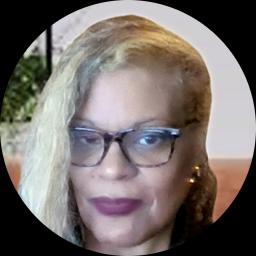
About Benita
Benita Koyton is a Licensed Master Social Worker (LMSW) in Michigan with 20 years of clinical experience. She works with people facing stress, anxiety, trauma and abuse, bipolar disorder, depression, and life transitions. Communication problems, isolation and loneliness, and questions about life purpose are also part of her focus.
Benita keeps sessions straightforward and practical. She listens and helps people name what’s happening, then looks at simple next steps they can try between sessions. She uses techniques from Cognitive Behavioral Therapy and mindfulness to help manage moods and anxious thoughts. Motivational Interviewing and solution-focused ideas are used when people want clear goals and short-term strategies.
Her background includes two decades of seeing a wide range of mood and trauma-related concerns. That experience guides how she structures sessions and how she paces work for each person. Benita aims to break big problems into manageable pieces and to help people practice new ways of relating and communicating in everyday situations.
People who struggle to say what they need or who keep returning to the same arguments will find a practical emphasis on communication skills and coping tools. Sessions often involve learning concrete skills, trying short behavioral experiments, and reviewing what worked and what did not. The goal is clearer communication and steadier mood management in daily life.
Sessions are conducted in English and reflect her Michigan practice. To begin, people are asked to complete a short matching questionnaire and schedule a first session through the online options provided.
How Benita uses CBT and mindfulness online
CBT helps people spot unhelpful thoughts and change behaviors that keep problems going. In short sessions this can mean tracking patterns, testing small behavior changes, and reviewing what shifted. That approach is useful for anxiety, depression, and communication habits.Mindfulness Therapy focuses on noticing thoughts and feelings without immediate reaction. Simple breathing or noticing exercises are taught and practiced, which can reduce reactivity during difficult conversations. Motivational Interviewing is also used to clarify a person's own reasons for change and to set concrete next steps when goals feel unclear.
Deciding which approach to use is a collaborative process. The therapist and client will discuss goals, try techniques, and adjust methods based on what helps most. Benita will help people pick practical exercises and short experiments to try between meetings.
The biography does not specify which session formats are offered, so confirm current online session options before booking. Online work can make it easier to fit appointments into a busy week, allow shorter check-ins when needed, and remove travel time. It also lets people practice communication skills in real-world settings and then reflect with the therapist at the next scheduled time.
Areas of expertise
Primary focus
Additional focus areas
Therapeutic approaches
Experience
20+ years
Credentials
Michigan
Languages
English
Frequently asked questions
What concerns does she address?
She works with stress, anxiety, trauma and abuse, bipolar disorder, depression, and life changes, plus communication problems and isolation.
What approaches does she use in sessions?
Her work draws on Cognitive Behavioral Therapy, Mindfulness Therapy, Motivational Interviewing, Solution-Focused Therapy, and Trauma-Focused Therapy.
How much clinical experience does she have?
She has 20 years of clinical experience working with mood and trauma-related concerns.
What credential and region does she practice in?
She holds an LMSW credential and practices in Michigan.
Which languages are supported?
Sessions are offered in English.
Can international clients work with her?
She is not accepting international clients at this time.
How does cost and payment work?
Cost varies with location; sessions use a subscription that can be canceled at any time.
How do I begin a first session?
Select the See online therapy options button, complete a short matching questionnaire, and schedule a first session.
Online talk therapy is not emergency care, and no counselor can promise how a conversation or a relationship will turn out. If you feel unsafe, call or text 988, or call 911. Crisis information