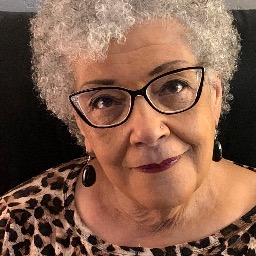
Sharon Calhoun
LMSWMichigan · 35 yrs exp
LMSW - Stress and relationship concerns
Stress, Anxiety · Addictions · Trauma and abuse · Self esteem · +3 more
Read profileTherapist listings come from BetterHelp. We will earn a commission at no extra cost to you if you use our links to buy.
Welcome to our directory of online therapists serving Michigan. All therapists listed here are licensed to practice in Michigan.
Explore the profiles to compare approaches, credentials, languages, and areas of focus so you can find a clinician who fits your needs.
Michigan · 35 yrs exp
LMSW - Stress and relationship concerns
Stress, Anxiety · Addictions · Trauma and abuse · Self esteem · +3 more
Read profile
Michigan · 20 yrs exp
LMSW in Michigan - Communication and Life Transitions
Stress, Anxiety · Trauma and abuse · Grief · Depression · +1 more
Read profile
Michigan · 10 yrs exp
LCSW - stress and relationship support
Stress, Anxiety · Anger · Self esteem · Depression · +5 more
Read profile
Michigan · 8 yrs exp
LMSW - stress and relationship concerns
Stress, Anxiety · Relationship · Anger · Self esteem · +4 more
Read profile
Michigan · 13 yrs exp
LMSW - Stress and Communication support
Stress, Anxiety · Self esteem · Coping with life changes · Coaching · +1 more
Read profile
Michigan · 5 yrs exp
LMSW - Stress and Relationship support
Stress, Anxiety · Relationship · Anger · Self esteem · +1 more
Read profile
Michigan · 18 yrs exp
Dr. Ana-Rocío Escobar-Chew - LMFT, relationship and family concerns
Stress, Anxiety · Relationship · Family · Trauma and abuse · +8 more
Read profile
Michigan · 29 yrs exp
Licensed Professional Counselor - Relationships and Family
Relationship · Family · Parenting · Bipolar · +1 more
Read profile
Michigan · 5 yrs exp
Licensed Professional Counselor - Stress and Anxiety
Stress, Anxiety · Trauma and abuse · Anger · Self esteem · +1 more
Read profile
Michigan · 34 yrs exp
LMSW - addictions and relationship concerns
Addictions · Relationship · Family · Trauma and abuse · +1 more
Read profile
Michigan · 27 yrs exp
LMSW - Stress and communication concerns
Stress, Anxiety · Addictions · Trauma and abuse · Depression · +1 more
Read profile
Michigan · 15 yrs exp
Licensed Master Social Worker - Stress and Communication
Stress, Anxiety · Parenting · Self esteem · Coping with life changes · +1 more
Read profile
Michigan · 25 yrs exp
LMSW in Michigan - Stress and Addictions
Stress, Anxiety · Addictions · Family · Trauma and abuse
Read profile
Michigan · 21 yrs exp
LMSW - Stress and Relationship support
Stress, Anxiety · Relationship · Self esteem · Depression · +1 more
Read profile
Michigan · 11 yrs exp
Licensed Master Social Worker - Communication and Stress
Stress, Anxiety · Family · Trauma and abuse · Depression · +1 more
Read profile
Michigan · 6 yrs exp
Licensed Professional Counselor - Stress and Anxiety
Stress, Anxiety · Trauma and abuse · Grief · Depression · +1 more
Read profile
Michigan · 15 yrs exp
Licensed counselor - Communication and mood
Stress, Anxiety · Family · Trauma and abuse · Grief · +1 more
Read profile
Michigan · 15 yrs exp
LPC counselor - communication and life transitions
Stress, Anxiety · Family · Parenting · Self esteem · +1 more
Read profile
Michigan · 9 yrs exp
LMSW - Stress and relationship concerns
Stress, Anxiety · Relationship · Family · Grief · +1 more
Read profile
Michigan · 10 yrs exp
LMSW - Stress and communication difficulties
Stress, Anxiety · Trauma and abuse · Grief · Depression
Read profile
Michigan · 11 yrs exp
LMSW - stress and trauma support
Stress, Anxiety · Addictions · Trauma and abuse · Self esteem · +1 more
Read profile
Michigan · 20 yrs exp
LMSW - communication and relationship concerns
LGBT · Family · Intimacy-related issues · Parenting · +1 more
Read profile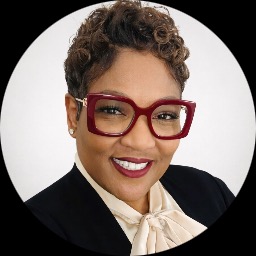
Michigan · 16 yrs exp
LMSW helping with stress and communication
Stress, Anxiety · Family · Grief · Self esteem · +1 more
Read profile
Michigan · 9 yrs exp
LMSW - Stress and relationship concerns
Stress, Anxiety · Relationship · Family · Trauma and abuse · +1 more
Read profileOnline therapy has become an established option for many people in Michigan, spanning urban centers and rural communities alike. You can work with clinicians who live in Detroit, Grand Rapids, Ann Arbor, the Upper Peninsula, or other parts of the state without traveling to an office. Sessions commonly take place by video or phone, and clinicians may indicate a range of therapeutic approaches and specializations on their profiles. Because licensing in Michigan requires clinicians to be registered with state boards, the directory lists therapists who hold the required credentials to practice in the state. That means you can connect with professionals who have chosen to offer remote services to reach clients across geographic boundaries within Michigan.
While technology makes it easier to access a therapist from your home, workplace, or another comfortable setting, how clinicians structure online care varies. Some offer brief check-ins and coaching-style sessions, while others provide longer-term psychotherapy. Many clinicians list theoretical approaches such as cognitive-behavioral strategies, psychodynamic perspectives, emotion-focused methods, or trauma-informed work among their approaches; listing an approach is not proof of any particular credential, but it helps you understand the kinds of methods a therapist commonly uses. Reviewing profiles before reaching out can help you identify clinicians whose stated approaches and experience match what you are seeking.
Online therapy removes the need to commute, which can be especially helpful in a state with long winter commutes or limited local options. You can save travel time and avoid the logistical barriers that sometimes make in-person care difficult. For people balancing work, family, or school, remote sessions allow you to fit therapy into a schedule with more flexibility. If you live in a rural area of Michigan where fewer clinicians practice in person, online options expand the pool of professionals you can consider.
Beyond convenience, many people find online therapy helps them maintain continuity of care during life transitions, such as moving between cities, traveling for work, or managing a change in household responsibilities. If you prefer meeting from a comfortable environment, you can create a setting in your own home that feels calming and personal for your sessions. Clinicians often discuss goals, communication styles, and tools you can use outside of sessions, which can make therapy feel practical and applicable to everyday life. Keep in mind that technology factors - internet speed, device reliability, and a well-lit space for video - can influence the session experience, so preparing your environment can make online therapy more effective for you.
Online therapists in Michigan work with a wide range of concerns, from stress and anxiety to relationship problems and major life adjustments. You can expect to find clinicians who list work with mood concerns, communication difficulties, grief, parenting challenges, and career transitions among their areas of focus. Many people use online therapy to develop coping strategies, improve communication skills, or process difficult emotions. Therapists who list trauma-informed approaches - including those who mention modalities such as EMDR among their approaches - may offer pathways for working through past traumatic events, while others emphasize mindfulness, behavioral change, or interpersonal work.
Couples and family concerns are commonly addressed in online formats, though therapists differ in how they handle multi-person sessions over video. Some clinicians note experience working with couples and families on communication patterns, conflict resolution, or co-parenting strategies. Since online therapy can reduce travel barriers, it can be helpful for partners who live in different parts of Michigan or for extended family members coordinating schedules. Whether you are seeking short-term support for a specific issue or longer-term psychotherapy, reading therapist profiles closely will help you match your needs to the approaches and populations a clinician highlights.
If you want to confirm a therapist's license in Michigan, begin by checking the state licensing websites. Michigan's Department of Licensing and Regulatory Affairs (LARA) maintains public license lookup tools for professions such as counselors, social workers, marriage and family therapists, and psychologists. You can search by name or license number to verify that a clinician holds an active license, see the date of issuance, and identify whether any disciplinary actions are listed. Those public records are the primary resource for confirming that a clinician is legally authorized to practice in Michigan.
When you review a therapist profile, compare the license information shown there with LARA's records. If the clinician lists degrees or credentials, use the licensing board to confirm the license type and status rather than relying on titles alone. If you have questions about what a particular license type means for scope of practice, the state board's website usually explains which activities fall under each credential. Verifying licensure helps you make an informed choice and provides assurance that the clinician is recognized by state regulators. If anything in the public record seems unclear, you can contact the licensing board for clarification before beginning services.
Getting started usually begins with reviewing therapist profiles to identify clinicians who list approaches, populations, and languages that align with your needs. Once you find a profile that appeals to you, reach out using the contact options the clinician provides to ask about their general process. In that initial contact you can inquire about session length, fees, payment methods, and whether they work with your insurance; these are practical details that help you decide who to move forward with. While you should not expect a guarantee about ongoing operations, asking about general policies gives you a sense of how a clinician structures care.
Before your first session, prepare a quiet, comfortable space where you can talk without interruption. Check your device's camera and microphone and test your internet connection to reduce technical disruptions. Think about the goals you want to address and any questions you have about the therapist's approach, experience, or preferences for homework or between-session work. Many therapists begin with an intake conversation to learn about your history and goals, after which you and the clinician can agree on a plan for sessions. Bringing a list of concerns, questions, or important dates can help you make the most of the early appointments.
Choosing a therapist is a personal decision and fit often matters as much as credentials. Start by reading profiles carefully to see which clinicians highlight work with issues similar to yours and which list approaches that resonate with you. If you are interested in a specific method, look for therapists who list that method among their approaches and ask them how they apply it in practice. Languages spoken and cultural competence are important if you prefer to work with someone who shares or understands your background; many profiles include language information and notes about population focus.
Consider your communication preferences. Some therapists emphasize a directive, skills-based process while others describe a reflective, insight-oriented style. You may prefer shorter, goal-focused sessions or a more exploratory pace. Reach out with a brief message that outlines what you are looking for and any questions you have about approach or logistics. The initial conversation can reveal a lot about how a clinician communicates and whether you feel heard. Trust your instincts about comfort and rapport - if you do not feel like the fit is right after a few sessions, it is reasonable to try a different clinician until you find someone who meets your needs. Remember that finding the right therapist can take time, and prioritizing alignment on goals, approach, and communication style will help you make progress in therapy.
Addictions
1058 therapists
ADHD
681 therapists
Anger
1226 therapists
Control Issues
1585 therapists
Depression
3298 therapists
Grief
1679 therapists
Guilt and Shame
2924 therapists
Impulsivity
1237 therapists
Isolation / Loneliness
2725 therapists
Midlife Crisis
1056 therapists
Mood Disorders
1927 therapists
Panic Disorder and Panic Attacks
1571 therapists
Post-Traumatic Stress
2261 therapists
Self Esteem
2516 therapists
Social Anxiety and Phobia
2387 therapists
Stress & Anxiety
4021 therapists
Trauma and Abuse
2425 therapists
Abandonment
1410 therapists
Attachment Issues
1760 therapists
Blended Family Issues
909 therapists
Body Image
988 therapists
Caregiver Issues and Stress
1795 therapists
Codependency
1050 therapists
Commitment Issues
730 therapists
Coping with Life Changes
2502 therapists
Divorce
1933 therapists
Family
1717 therapists
Family of Origin Issues
890 therapists
Forgiveness
2622 therapists
Infidelity
749 therapists
Life Purpose
2957 therapists
Parenting
1224 therapists
Relationship
2728 therapists
Self-Love
3182 therapists
Sexuality
738 therapists
Workplace Issues
1639 therapists