- Relationship issues
- Trauma and grief
- CBT and solution-focused
About Bethany
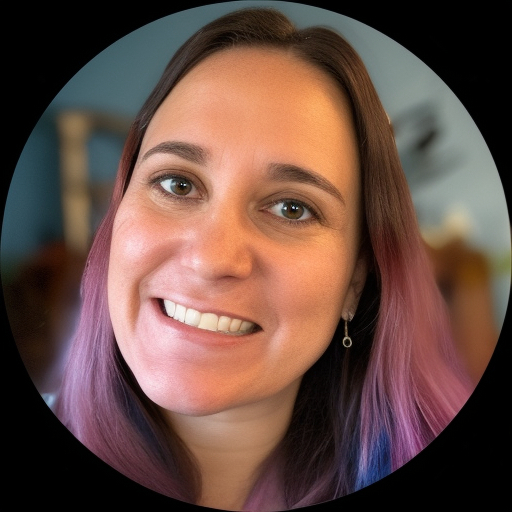
Bethany Morris is a Licensed Clinical Social Worker (LCSW) in North Carolina with 20 years of experience. She works with adults who are facing relationship strain, trauma and abuse, grief, parenting stress, anxiety, and communication problems. She also helps people dealing with self-esteem, depression, and compassion fatigue.
She uses practical conversation to identify what is getting in the way of clearer communication. Sessions focus on realistic steps people can try between meetings. Bethany draws on client-centered and solution-focused methods to set small, achievable goals and build on what is already working.
Cognitive Behavioral Therapy (CBT) methods are used to spot unhelpful thinking patterns and test new behaviors. Psychodynamic ideas can help people notice long-standing patterns rooted in family of origin or past relationships. Motivational interviewing techniques support people who feel stuck about making changes.
In sessions she pays attention to how past hurts, loss, or trauma affect current interactions. She can help people cope with grief, navigates parenting challenges, or manage stress that makes conversations harder. Practical tools and straightforward feedback are part of the work.
People can expect direct discussion of communication habits and experiments to try between sessions. Bethany aims to help people speak more clearly, reduce repeating arguments, and handle difficult topics with less avoidance.
How Bethany Uses Therapeutic Approaches Online
Client-Centered Therapy focuses on the person’s concerns and builds sessions around what matters most to them. It helps when someone needs a listener who follows their pace and priorities. Cognitive Behavioral Therapy (CBT) looks at thought patterns and behaviors and teaches concrete techniques to change them. CBT is useful for anxiety, depression, and changing common communication habits.Finding the right mix of approaches is part of the work. Bethany will talk with each person about their goals and try methods that fit those goals. Decisions about which techniques to use are made together and adjusted as progress is tracked.
Session formats are not listed in the biography, so confirm the current online options before booking. Online sessions can make it easier to fit therapy into a busy week, allow shorter check-ins when time is tight, or let someone avoid travel. Many people find that virtual sessions help them maintain consistency and practice communication skills between meetings.
Areas of expertise
Primary focus
Also works with
Additional focus areas
Therapeutic approaches
Experience
20+ years
Credentials
North Carolina
Languages
English
Frequently asked questions
What concerns does she address?
She helps with relationship strain, trauma and abuse, grief, parenting challenges, anxiety, depression, and communication problems.
What approaches does she use in sessions?
She uses Client-Centered Therapy, Cognitive Behavioral Therapy (CBT), Motivational Interviewing, Psychodynamic Therapy, and Solution-Focused Therapy depending on the issue.
How much experience does she have?
She has 20 years of clinical experience working with adults on relationship, trauma, grief, and related concerns.
What are her credentials and location?
She is an LCSW licensed in North Carolina and practices from that state.
Which languages are supported?
Sessions are offered in English.
Does she work with international clients?
She does not accept international clients at this time.
How much do sessions cost?
Cost varies with location; sessions use a subscription that can be canceled at any time.
How do I begin if I want to work with her?
Select the See online therapy options button, complete the short matching questionnaire, and schedule a first session.
Online talk therapy is not emergency care, and no counselor can promise how a conversation or a relationship will turn out. If you feel unsafe, call or text 988, or call 911. Crisis information