- Stress and anxiety
- Trauma and grief
- Communication problems
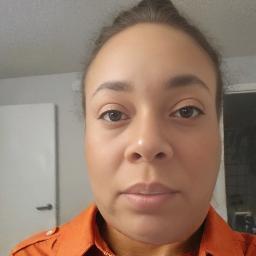
About Courtney
Courtney Saddler is a Licensed Mental Health Counselor (LMHC) in Florida with five years of clinical experience. She works with people facing stress, anxiety, trauma and abuse, grief, anger, and depression. Her profile also lists communication problems, forgiveness, guilt and shame, isolation and loneliness, life purpose, self-love, and social anxiety as focus areas.
Courtney aims to make sessions straightforward and practical. She listens to what people are trying to say and helps them practice clearer ways to speak up. Sessions often involve naming what is getting in the way of honest conversation and trying out different ways to respond.
She places emphasis on building small skills that change day-to-day interactions. That can include short exercises for handling anger, steps for managing overwhelming anxiety, or ways to cope after a loss. The idea is to leave sessions with something concrete to try between meetings.
Courtney’s experience includes work with trauma and abuse, so she pays attention to how past hurt affects present relationships. She also supports people working through shame, forgiveness, and questions about meaning and purpose. The focus is on turning difficult moments into clearer choices.
People who meet with Courtney should expect direct conversation and practical steps. To begin, prospective clients follow the site flow to view online therapy options, complete a brief matching questionnaire, and schedule a first session.
Evidence-based techniques and online sessions
Two common evidence-based techniques used in counseling are skills-focused coping work and trauma-informed care. Skills-focused coping work teaches concrete steps for managing anxiety, anger, and stress, such as breathing, grounding, and brief behavioral strategies. Trauma-informed care pays attention to how past wounds affect current reactions and helps people rebuild safety and control in everyday interactions.Finding the right approach is part of the work. The therapist will review your concerns, goals, and preferences and suggest methods to try. This is collaborative - you and the therapist check what helps and adjust as you go.
The biography does not list specific online session formats, so confirm current options before booking. Online therapy can make it easier to fit sessions into a busy life, allow shorter check-ins during a break, or remove travel time. It also makes it possible to keep continuity with a licensed professional if you are located outside the therapist's immediate area.
Areas of expertise
Primary focus
Additional focus areas
Experience
5+ years
Credentials
Florida
Languages
English
Frequently asked questions
What concerns does she help with?
She works with stress, anxiety, trauma and abuse, grief, anger, and depression. Additional focus areas include communication problems, guilt and shame, isolation, and social anxiety.
What is her style in sessions?
Sessions are practical and conversational with an emphasis on learning small skills. Expect clear feedback and exercises to try between meetings.
How much clinical experience does she have?
She has five years of professional experience as a counselor. That work has included supporting people after trauma and loss.
What are her credentials and where is she based?
She is an LMHC licensed in Florida. Her practice is listed as located in Florida.
Which languages are supported?
Sessions are offered in English. International clients are accepted.
What session formats are available?
The original biography does not list specific session formats. Confirm current session options before booking.
How does pricing work?
Cost varies with location and sessions use a subscription that can be canceled at any time. Check the platform details for exact pricing.
How do I get started?
Use the See online therapy options button, complete a short matching questionnaire, and schedule a first session.
Online talk therapy is not emergency care, and no counselor can promise how a conversation or a relationship will turn out. If you feel unsafe, call or text 988, or call 911. Crisis information