
Dr. Leslie Cary
LMFTFlorida · 20 yrs exp
Florida LMFT - Relationships and Communication
Stress, Anxiety · Relationship · Family · Trauma and abuse · +11 more
Read profileTherapist listings come from BetterHelp. We will earn a commission at no extra cost to you if you use our links to buy.
Welcome to our Florida directory for online therapy. All therapists listed here are licensed in Florida - explore listings to compare approaches, specialties, credentials and languages.
Florida · 20 yrs exp
Florida LMFT - Relationships and Communication
Stress, Anxiety · Relationship · Family · Trauma and abuse · +11 more
Read profile
Florida · 4 yrs exp
Florida LMHC - Stress and Relationship concerns
Stress, Anxiety · Relationship · Self esteem · Depression · +1 more
Read profile
Florida · 20 yrs exp
Florida LMFT - Relationships and Anxiety
Stress, Anxiety · Relationship · Family · Self esteem · +1 more
Read profile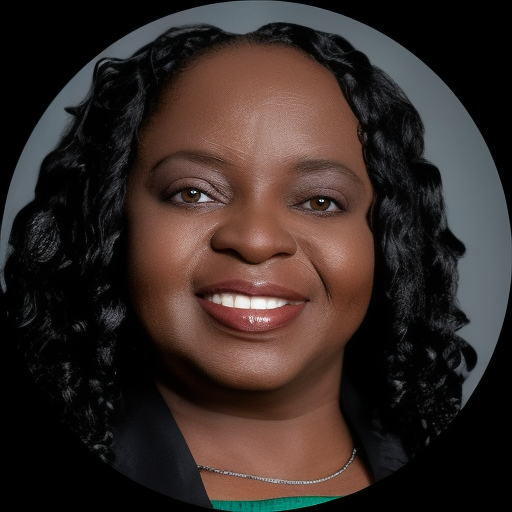
Florida · 10 yrs exp
Florida LMHC - Stress and Addictions
Stress, Anxiety · Addictions · Trauma and abuse · Anger · +1 more
Read profile
Florida · 6 yrs exp
LMHC in Florida - Communication and Life Changes
Stress, Anxiety · Parenting · Self esteem · Depression · +1 more
Read profile
Florida · 7 yrs exp
LCSW - Family and trauma focus
Family · Trauma and abuse · Parenting · Depression
Read profile
Florida · 20 yrs exp
Licensed Clinical Social Worker - Stress and Communication
Stress, Anxiety · Grief · Self esteem · Depression
Read profile
Florida · 15 yrs exp
LCSW - Stress and Relationship concerns
Stress, Anxiety · Relationship · Grief · Self esteem · +1 more
Read profile
Florida · 6 yrs exp
LCSW - Anxiety and Trauma support
Stress, Anxiety · Trauma and abuse · Self esteem · Depression · +1 more
Read profile
Florida · 13 yrs exp
LCSW - Relationships and Anxiety
Stress, Anxiety · Relationship · Family · Self esteem · +1 more
Read profile
Florida · 19 yrs exp
Licensed counselor - Stress and trauma
Stress, Anxiety · LGBT · Family · Trauma and abuse · +2 more
Read profile
Florida · 40 yrs exp
Licensed counselor and marriage therapist - communication and relationships
Stress, Anxiety · Addictions · Relationship · Depression · +11 more
Read profile
Florida · 3 yrs exp
LMHC - Anxiety and Communication struggles
Stress, Anxiety · Trauma and abuse · Eating · Self esteem · +1 more
Read profile
Florida · 37 yrs exp
LMHC in Florida - grief and life changes
Grief · Self esteem · Depression · Coping with life changes · +10 more
Read profile
Florida · 4 yrs exp
LCSW in Florida - Stress and Trauma
Stress, Anxiety · Trauma and abuse · Depression · Coping with life changes · +1 more
Read profile
Florida · 3 yrs exp
LMHC - Relationships and Trauma
LGBT · Relationship · Trauma and abuse · Grief · +1 more
Read profile
Florida · 23 yrs exp
Florida LCSW - Relationships and Stress
Stress, Anxiety · Relationship · Family · Self esteem · +1 more
Read profile
Florida · 36 yrs exp
LMHC in Florida - mood and stress concerns
Stress, Anxiety · Grief · Bipolar · Depression · +1 more
Read profile
Florida · 8 yrs exp
Licensed Clinical Social Worker - Anxiety and Communication
Stress, Anxiety · Addictions · Anger · Self esteem · +1 more
Read profile
Florida · 10 yrs exp
Florida LMHC - Stress and Communication
Stress, Anxiety · Parenting · Self esteem · Depression · +1 more
Read profile
Florida · 15 yrs exp
Florida LMFT - Relationships and Communication
Relationship · Family · Grief · Intimacy-related issues · +1 more
Read profile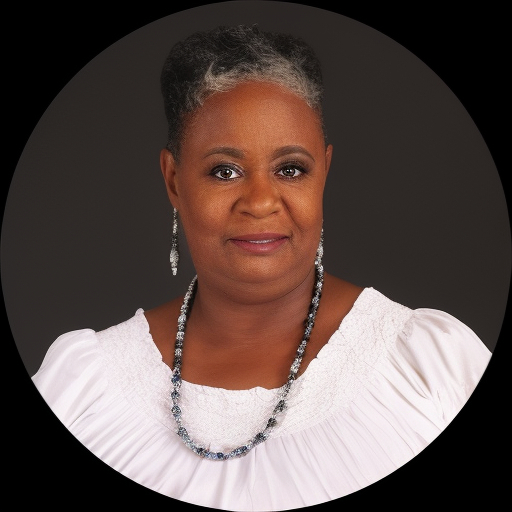
Florida · 8 yrs exp
Florida LMHC - Stress and Communication
Stress, Anxiety · Trauma and abuse · Self esteem · Depression · +1 more
Read profile
Florida · 9 yrs exp
Licensed Clinical Social Worker - Stress and Anxiety
Stress, Anxiety · Family · Self esteem · Depression · +1 more
Read profile
Florida · 11 yrs exp
Florida LMHC - Stress and Relationship concerns
Stress, Anxiety · Relationship · Trauma and abuse · Self esteem · +1 more
Read profileOnline therapy has become an integral part of mental health care across Florida, offering an alternative to in-person sessions that can fit into your lifestyle. Whether you live in an urban center like Miami or a rural community in the panhandle, you can connect with therapists who are licensed in Florida and who offer sessions over video, phone or messaging. State regulations require that therapists providing remote services to Florida residents hold a Florida license, and many clinicians now list telehealth or online sessions among their approaches. You should be aware that rules and guidelines for telehealth evolve over time, so it is helpful to check current state resources when you are seeking services.
Online therapy can expand access to professionals who speak your language or specialize in particular approaches, and it can reduce travel time and scheduling barriers. At the same time, online work operates within certain limitations - some interventions may be better suited to in-person care, and you and your clinician will need to agree on how to handle emergencies or urgent concerns. Understanding how online therapy is practiced in Florida and what to expect will help you make an informed choice about whether remote sessions are the right fit for your needs.
When you choose online therapy in Florida, the most immediate benefit is convenience. You can attend sessions from home, a workplace break room, or another comfortable environment without factoring in commute times or parking. This flexibility can make it easier to maintain a consistent schedule with a therapist who matches your communication preferences, whether that is video, phone, or text-based messaging. You may find it simpler to access a clinician who shares your language, cultural background, or experience working with issues similar to yours, especially if those specializations are less common in your local area.
Online therapy also provides opportunities for continuity of care if you travel within the state or move between Florida locations. For parents, caregivers and people managing demanding work schedules, virtual sessions can reduce the logistical complexity of getting to appointments. Many people also find that the distance created by screens makes it easier to start conversations about sensitive topics. While online therapy can be extremely useful for many issues, you should consider whether a given therapist lists approaches or specialties that align with your goals and whether you have the technology and environment that support consistent, distraction-free sessions.
Online therapists in Florida work with a broad range of concerns, and you will find clinicians who list different approaches and specialties. Common areas of focus include mood-related concerns such as depression and anxiety, relationship and family issues, life transitions like relocation or career change, stress management, grief and loss, and parenting support. Therapists often describe approaches such as cognitive-behavioral methods, psychodynamic-informed work, mindfulness-based strategies, and trauma-focused interventions. When you review profiles, look for phrases like "therapists who list EMDR among their approaches" or "therapists who list cognitive-behavioral therapy (CBT) among their approaches" to understand the methods a clinician references without assuming formal certification.
Other specialty topics you may encounter include work with adolescents, couples counseling, care for older adults, coping with chronic health conditions, and support for identity-related concerns. If you are seeking clinicians who speak languages other than English, many profiles include language information so you can find therapists who communicate in the language you prefer. Remember that a therapist listing an approach or specialty indicates their focus areas and interests as presented in their profile; you can ask about their experience and fit during an initial conversation.
Confirming that a therapist is licensed in Florida is an important step when you are evaluating potential clinicians. The Florida Department of Health maintains a license verification system that allows you to search by name, license number or profession. When you locate a license record, check the license type, the issuance and expiration dates, and whether there are any disciplinary actions or restrictions listed. You can also confirm the license holder's legal name and the issuing board, which helps ensure you are looking at the correct record.
Keep in mind that license titles differ by profession - for example, licensed clinical social workers, licensed mental health counselors, and marriage and family therapists each have distinct credential names. If a therapist lists additional letters after their name, those often indicate educational degrees or membership in professional groups rather than state certification in a specific technique. If you have questions about a listing or see information that concerns you, the Department of Health contact resources can help you understand what the record shows and how to proceed.
Starting the process of connecting with an online therapist begins with clarifying your goals. Think about what you hope to address in therapy - whether you want short-term support for a specific issue, ongoing work on deeper patterns, or help navigating a life transition. Review therapist profiles to identify clinicians who list relevant approaches and specialties. Pay attention to stated client populations, such as age ranges or relationship issues they commonly work with, and any languages they offer. Reaching out to a few therapists who seem like a fit will give you options for an initial conversation.
In that first contact, you can ask practical questions about how they conduct online sessions, what technology they use, and how they handle administrative details like fees and communication. You do not need to disclose sensitive history before you feel comfortable, but you can ask about their approach to the issues most important to you and what a typical session looks like. Use this initial exchange to get a sense of rapport and whether their style aligns with your expectations. Many people find that a short phone or video conversation helps them determine whether to schedule a formal intake or assessment session.
Choosing a therapist is both practical and personal. Start by matching on approach and experience - look for clinicians who list methods that resonate with you and who mention experience with the kinds of concerns you are facing. If trauma, grief, relationship dynamics or chronic stress are central, prioritize therapists who reference these areas in their profiles. You can also consider work style - some therapists describe an active, skills-based approach while others describe a reflective, exploratory orientation. Deciding which style feels most helpful for you will guide your selection.
Think about the logistical elements that affect your ability to stay engaged, such as session format, language, and the typical length of work they propose. Make sure you have a reliable internet connection and a quiet place where you can participate without interruptions. Comfort with your therapist matters a great deal. After a few sessions you should reflect on whether you feel heard and understood and whether your sessions are moving toward the goals you set. It is acceptable to change therapists if you find that the match is not right for you; the priority is finding a clinician with whom you can build a productive working relationship.
When you begin online therapy, plan for the practical steps that support effective work. Confirm the method of communication for each session and the backup plan in case a connection drops. Discuss how you and the therapist will handle urgent situations and determine local emergency contacts, since therapists must follow local reporting requirements and may need to coordinate care differently when sessions are remote. If you are in immediate danger or experiencing a medical emergency, call local emergency services or go to the nearest emergency room.
Finally, stay informed about fees, insurance or payment options, and cancellation policies before you commit to ongoing sessions. Clear agreements about session frequency, goals and expected duration help you get the most from therapy. Taking time to review profiles, verify licensure, and have an open initial conversation will increase the likelihood that you find an online therapist in Florida who fits your needs and supports your progress.
Addictions
1058 therapists
ADHD
681 therapists
Anger
1226 therapists
Control Issues
1585 therapists
Depression
3298 therapists
Grief
1679 therapists
Guilt and Shame
2924 therapists
Impulsivity
1237 therapists
Isolation / Loneliness
2725 therapists
Midlife Crisis
1056 therapists
Mood Disorders
1927 therapists
Panic Disorder and Panic Attacks
1571 therapists
Post-Traumatic Stress
2261 therapists
Self Esteem
2516 therapists
Social Anxiety and Phobia
2387 therapists
Stress & Anxiety
4021 therapists
Trauma and Abuse
2425 therapists
Abandonment
1410 therapists
Attachment Issues
1760 therapists
Blended Family Issues
909 therapists
Body Image
988 therapists
Caregiver Issues and Stress
1795 therapists
Codependency
1050 therapists
Commitment Issues
730 therapists
Coping with Life Changes
2502 therapists
Divorce
1933 therapists
Family
1717 therapists
Family of Origin Issues
890 therapists
Forgiveness
2622 therapists
Infidelity
749 therapists
Life Purpose
2957 therapists
Parenting
1224 therapists
Relationship
2728 therapists
Self-Love
3182 therapists
Sexuality
738 therapists
Workplace Issues
1639 therapists