- Stress and mood
- Trauma recovery
- Skill practice
About Danyetta
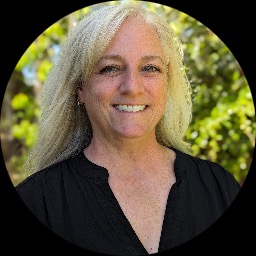
Danyetta Godwin is a Florida-licensed mental health counselor (LMHC) with four years of clinical experience. She helps people who are coping with depression, anxiety, trauma and abuse, ADHD, stress, and life changes. Communication problems and post-traumatic stress are noted focus areas she addresses in sessions.
She uses evidence-based therapeutic techniques to help people develop practical coping strategies. Sessions focus on identifying patterns that keep problems repeating and on learning concrete skills for handling difficult feelings and conversations. Expect straightforward discussion and step-by-step skill practice rather than abstract theory.
Danyetta pays attention to how communication breakdowns affect everyday life. She works with clients to notice common interaction patterns, rehearse different ways of speaking, and practice boundaries and requests that are clear and achievable. Small changes in how someone explains needs can reduce recurring conflict and stress.
When trauma or abuse histories are part of the work, she helps clients build stability first and then address painful memories at a pace that feels manageable. The aim is to strengthen coping tools and reduce symptoms so other work can proceed more effectively.
Her approach is collaborative and goal-focused. Clients set priorities, try out new skills between sessions, and track what helps. People seeking practical support for stress, mood, attention, or ongoing communication problems will find a concise, skill-oriented model in her practice.
How evidence-based approaches translate to online sessions
Evidence-based therapeutic techniques typically used in her practice include skill-based cognitive strategies and trauma-informed stabilization. Skill-based cognitive strategies help people notice unhelpful thoughts, test them, and replace them with clearer ways of thinking to reduce anxiety or depressive patterns. Trauma-informed stabilization focuses on building coping skills, grounding responses, and gradual pacing before addressing painful memories.Finding the right approach is part of the work. She collaborates with clients to choose methods that match their goals and comfort. Together they try approaches, monitor what helps, and adjust the plan as needed rather than committing to a single method up front.
Practical benefits of online sessions depend on the formats offered. The biography does not specify formats, so confirm current options before booking. In general, remote sessions can make it easier to fit brief check-ins into a lunch break, avoid travel time, and choose quieter surroundings when that helps focus. Therapists can also use shared worksheets, guided practice, and screen-sharing during a session to teach and rehearse communication skills.
Areas of expertise
Additional focus areas
Experience
4+ years
Credentials
Florida
Languages
English
Frequently asked questions
What concerns does she commonly help with?
She works with stress, anxiety, depression, trauma and abuse, ADHD, coping with life changes, and communication problems.
What is her general therapeutic style?
She uses evidence-based techniques and focuses on practical skill building and clear communication rather than lengthy theory.
How much clinical experience does she have?
She has four years of experience as a licensed mental health counselor.
What credential and location should I note?
She is an LMHC licensed in Florida and practices from that state.
Which languages are supported in sessions?
Sessions are offered in English.
What session formats are offered?
The original biography does not list specific session formats; confirm current session options before booking.
How are sessions billed?
Cost varies with location and sessions use a subscription that can be canceled at any time.
What are the first steps to begin?
Select the See online therapy options button, complete the short matching questionnaire, and schedule a first session.
Online talk therapy is not emergency care, and no counselor can promise how a conversation or a relationship will turn out. If you feel unsafe, call or text 988, or call 911. Crisis information