- Client-centered methods
- Cognitive behavioral techniques
- Motivational interviewing
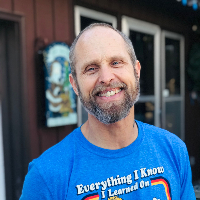
About David
David Krych is a Licensed Clinical Social Worker (LCSW) practicing in Wisconsin with 19 years of experience. He works with concerns such as stress, anxiety, addictions, relationship and family issues, grief, trauma and abuse, eating and anger concerns, and communication problems. He also focuses on parenting, compassion fatigue, bipolar disorder, depression, and life changes.
He draws on long clinical experience that began in youth work and later shifted to addiction counseling after his own recovery. That history informs a direct, practical approach to difficult topics. Sessions aim to clarify what a person wants to change and identify the steps that move them toward those goals.
In session he listens for strengths and patterns that can be used to make change. He uses client-centered methods that keep the person's priorities central. Where useful, he includes cognitive behavioral techniques to notice and shift thoughts and behaviors that keep problems going.
He also brings elements of emotionally focused and motivational strategies to help people address painful interactions and build clearer, more effective communication. Existential themes - questions about meaning, purpose, and responsibility - can appear when clients face life transitions or emptiness.
He aims to help people move toward greater self-acceptance and steadier coping. That includes practical skill-building and honest conversations about setbacks. He encourages a steady, realistic pace and uses the client's own experience as the foundation for change.
How his therapeutic approaches translate to online work
Client-centered therapy focuses on the person's own goals and experience. In practice this means the therapist listens, reflects, and helps the person name priorities and next steps. This approach is useful for people who want to talk through what matters and build a plan for change.Cognitive Behavioral Therapy (CBT) targets the thoughts and behaviors that keep problems going. It uses practical exercises and homework to test new ways of thinking and acting. CBT is often helpful for anxiety, depression, and patterns that affect communication.
Emotionally-Focused Therapy (EFT) looks at how feelings shape interactions and closeness. In sessions this can mean noticing emotional patterns in difficult conversations and practicing different responses to improve connection and reduce reactivity.
Finding the right approach is part of the work. He will collaborate with each person to identify methods that match their goals, needs, and preferences. That conversation shapes how sessions proceed and which techniques are emphasized.
The biography does not list specific online formats, so confirm available options before booking. Online sessions can make it easier to fit therapy into daily life - for example a shorter check-in during a break, a session without travel time, or a meeting that avoids heavy bandwidth needs. Those practical benefits can help maintain momentum and make steady progress.
Areas of expertise
Primary focus
Also works with
Additional focus areas
Therapeutic approaches
Experience
19+ years
Credentials
Wisconsin
Languages
English
Frequently asked questions
What concerns does he help with?
He works with stress, anxiety, addictions, relationship and family issues, trauma, grief, eating and anger problems, and communication problems among other concerns.
What style of therapy does he use?
He uses client-centered approaches and incorporates cognitive behavioral techniques, emotionally-focused ideas, existential reflection, and motivational interviewing as needed.
How long has he practiced?
He has 19 years of experience as a Licensed Clinical Social Worker and decades of earlier counseling roles that included work with adolescents and later addiction-focused practice.
Where is he based and licensed?
He is based in Wisconsin and holds the credential LCSW with Wisconsin licensure noted as WI LCSW.
Which languages are supported?
Sessions are offered in English and he accepts international clients.
What session formats are offered?
The original biography does not specify session formats; confirm the current session options before booking to know which formats are available.
How does payment work?
Cost varies with location and sessions use a subscription model that can be canceled at any time.
How do I begin working with him?
Select the See online therapy options button, complete the short matching questionnaire, and schedule a first session.
Online talk therapy is not emergency care, and no counselor can promise how a conversation or a relationship will turn out. If you feel unsafe, call or text 988, or call 911. Crisis information