- Client-Centered Therapy
- Cognitive Behavioral Therapy
- Mindfulness Therapy
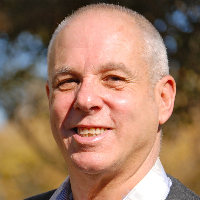
About Gary
Gary Zarchy is an LPC (Licensed Professional Counselor) in Arizona with 25 years of clinical experience. He lists stress, anxiety, addictions, LGBTQ concerns, relationships, depression, trauma, communication problems and related issues among the areas he works with.
He believes clients already contain many of the answers and sees his role as guide, educator, advocate and cheerleader. Sessions focus on clear goals and practical steps. He often works on communication patterns, reducing anxiety, and addressing substance use and grief in straightforward ways.
Gary holds a master’s degree from the University of Phoenix where he also teaches in the counseling department. He has taught there for eighteen years in both classroom and online settings, which informs his approach to explaining concepts and skills plainly.
In sessions he draws from client-centered methods, cognitive behavioral techniques, existential ideas, EMDR, mindfulness, motivational interviewing and solution-focused practices. That mix is used to help people change unhelpful thoughts, practice new communication habits, process difficult memories, and build coping skills.
He aims to help people meet clear milestones and eventually end counseling when goals are met. Appointments emphasize practical skills, repeated practice, and planning for real-life situations so changes stick beyond the therapy hour.
How his approaches translate to online work
Client-Centered Therapy focuses on listening and understanding what matters to the person. It supports people who need space to sort out feelings and priorities and is helpful for relationship and communication concerns.Cognitive Behavioral Therapy (CBT) looks at thoughts and routines that keep problems going. It teaches practical exercises and small behavior changes for anxiety, low mood, and communication patterns.
Eye Movement Desensitization and Reprocessing (EMDR) helps people process upsetting memories and reduce their emotional charge. It is often used when trauma or strong past events interfere with daily life.
Finding the best approach is a collaborative process. The therapist will discuss goals, try methods, and adjust based on what helps most. Clients and the therapist decide together which strategies to keep or modify.
If you plan to try online sessions, confirm the specific session formats offered before booking. The practical benefits of remote work include fitting short check-ins into a busy day, joining a session without travel, and choosing less camera time when that feels easier. Ask about scheduling, session length, and any preparation the therapist recommends so remote sessions fit into everyday life.
Areas of expertise
Primary focus
Also works with
Additional focus areas
Therapeutic approaches
Experience
25+ years
Credentials
Arizona
Languages
English
Frequently asked questions
What concerns does he address?
He works with stress, anxiety, addictions, LGBTQ issues, relationships, depression, trauma, communication problems and many related concerns.
What is his therapy style?
He uses a practical, goal-focused style that guides and educates while supporting skill practice and behavior change.
How much clinical experience does he have?
He has 25 years of experience in counseling and related work.
What credentials and location are listed?
He is an LPC licensed in Arizona and practices there.
Which languages are supported?
Sessions are offered in English and international clients are not accepted.
What session formats are offered?
The biography does not specify session formats; please confirm current session options before booking.
How are fees handled?
Cost varies with location and sessions use a subscription that can be canceled at any time.
How do I begin working with him?
Select the See online therapy options button, complete a short matching questionnaire, and schedule a first session.
Online talk therapy is not emergency care, and no counselor can promise how a conversation or a relationship will turn out. If you feel unsafe, call or text 988, or call 911. Crisis information