- CBT techniques
- Mindfulness practice
- Solution-focused work
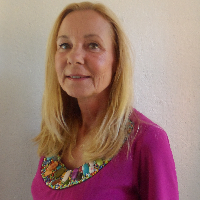
About Jacqueline
Jacqueline Baiada is a Licensed Clinical Social Worker (LCSW) licensed in North Carolina with 30 years of experience. She works with adults, couples and families on relationship concerns, parenting struggles, anger, stress, anxiety, trauma and abuse, and communication problems.
Over three decades she has helped people facing emotional, physical, and sexual trauma, grief and loss, depression, and post-traumatic stress. She also supports those handling infidelity, multicultural issues, first responder stress, phobias, and the challenges of young adulthood. ADHD and coaching are additional areas she addresses.
Her counseling style balances care with challenge. She aims to build a working relationship while pushing for practical change. Sessions typically involve direct conversation about patterns, habits, and what gets in the way of clearer communication.
Jacqueline draws on several approaches when they fit the goals at hand. She uses elements from solution-focused work, trauma-focused methods, cognitive behavioral therapy (CBT), and narrative therapy to shape the work. The intent is to use strategies that help people notice unhelpful thoughts, practice different responses, and tell their story in ways that free up new choices.
She invites people who are ready to take a step toward change to begin with a straightforward first session. That meeting is used to clarify priorities, outline next steps, and agree on what will be tried between appointments.
How Jacqueline uses therapy approaches online
Jacqueline commonly draws on cognitive behavioral therapy and trauma-focused therapy in her work. CBT focuses on identifying unhelpful thoughts and practicing different responses so daily reactions change over time; it is often used for anxiety, stress, and anger. Trauma-focused therapy concentrates on understanding and processing past traumatic experiences while developing coping strategies for triggers and post-traumatic stress.She also uses narrative therapy to help people rewrite how they tell their story and find different meanings in difficult events. That approach can reduce the power of past events and open up new options for relationships and communication. Choosing which approaches to use is collaborative; she will discuss goals, preferences, and what seems to fit best as part of planning the work together.
The practical benefits of working online include fitting sessions into a busy schedule and reducing travel time so therapy can be easier to attend. The biography does not list specific session formats, so confirm current options before booking. In a first online session she will clarify priorities, suggest approaches to try between sessions, and agree on a plan that fits the client’s day-to-day life.
Areas of expertise
Primary focus
Also works with
Additional focus areas
Therapeutic approaches
Experience
30+ years
Credentials
North Carolina
Languages
English, Danish
Frequently asked questions
What concerns does she address?
She works with relationship problems, parenting, anger, stress, anxiety, trauma and abuse, and communication problems among other issues.
What is her therapeutic approach or style?
Her style combines care with challenge and uses elements from solution-focused therapy, trauma-focused methods, cognitive behavioral therapy, and narrative therapy to create practical steps.
How much experience does she have?
She has 30 years of experience working with adults, couples and families in a range of settings.
What are her credentials and where is she based?
She is an LCSW licensed in North Carolina.
Which languages are offered and can international clients participate?
Sessions are offered in English and Danish, and she accepts international clients.
What session formats are available?
The biography does not list specific session formats; please confirm the current session options before booking.
How are sessions paid for and what does cost depend on?
Cost varies with location and sessions use a subscription that can be canceled at any time.
How do I begin working with her?
Select the See online therapy options button, complete a short matching questionnaire, and schedule a first session.
Online talk therapy is not emergency care, and no counselor can promise how a conversation or a relationship will turn out. If you feel unsafe, call or text 988, or call 911. Crisis information