- Stress and anxiety
- Communication problems
- Divorce and separation
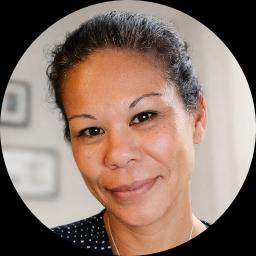
About Kim
Kim Walker Moore is a Florida LCSW with six years of clinical experience working with adults. She focuses on mood disorders, trauma, anxiety, stress, and life transitions. Kim lists communication problems as one of her additional focus areas and helps people who struggle to speak up or repeat the same conflicts.
She works with adults on practical steps to reduce symptoms and restore daily functioning. Sessions focus on identifying what matters to the client, clarifying goals, and trying out different ways of coping. Kim emphasizes collaboration and works alongside each person to shape a plan that fits their life.
In session she helps people name patterns that keep causing the same arguments or misunderstandings. She supports exploration of past experiences that affect current relationships and communication. That often includes practicing new ways to express needs and set boundaries.
Kim also offers help with separation and divorce issues, isolation or loneliness, and questions about life purpose. She addresses social anxiety and phobia, self-love, and post-traumatic stress in ways aimed at improving day-to-day interactions.
Her background as an LCSW means she brings clinical experience to common life problems. People who struggle to say what they need or avoid hard conversations may find the focus and structure useful. Prospective clients should confirm current session options before booking and follow the site instructions to schedule a first session.
Approaches used and how online sessions work
Kim uses evidence-based therapeutic techniques to guide work on mood and communication. One common approach focuses on identifying patterns of thought and behavior that contribute to anxiety and depression, then trying new responses to reduce distress and improve daily functioning. Another common technique helps people process traumatic memories in measured steps so that past events feel less overwhelming and interfere less with present relationships.Choosing the right approach is part of the work together. The therapist will discuss options, weigh what fits the client's goals, and adjust methods based on feedback. That collaborative process helps find strategies that feel practical and doable for each person.
Confirm current session options before booking since formats are not specified in the biography. Online sessions can make it easier to fit therapy into a busy schedule, allow shorter check-ins when needed, and reduce travel time. They also let someone continue consistent care when life events make in-person visits difficult. Licensed professionals will work with clients to schedule sessions in ways that match daily routines and responsibilities.
Areas of expertise
Primary focus
Additional focus areas
Experience
6+ years
Credentials
Florida
Languages
English
Frequently asked questions
What concerns does she address?
She works with adults on mood disorders, trauma and abuse, stress, anxiety, and related life changes. Communication problems and issues around separation and loneliness are also listed focus areas.
What is her therapeutic style?
She uses a collaborative, personalized approach that helps people set goals and try practical coping strategies. Sessions focus on clarifying needs and testing new ways of communicating.
How much clinical experience does she have?
She has six years of practice as a clinician working with adults on mood and trauma-related problems.
Which credential and region is she based in?
She is an LCSW licensed in Florida and provides services from that state.
Which languages are supported?
Sessions are offered in English.
Does she work with international clients?
She does not accept international clients at this time.
How are sessions priced?
Cost varies by location and sessions use a subscription model that can be canceled at any time.
How do I begin a first session?
Click the See online therapy options button, complete the short matching questionnaire, and schedule your first session through the site.
Online talk therapy is not emergency care, and no counselor can promise how a conversation or a relationship will turn out. If you feel unsafe, call or text 988, or call 911. Crisis information