- Client-Centered Therapy
- Cognitive Behavioral Therapy
- Dialectical Behavior Therapy
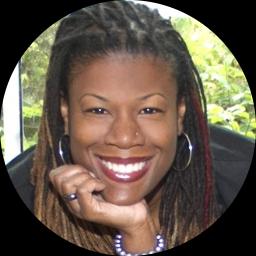
About Monica
Monica Williams is a North Carolina Licensed Clinical Mental Health Counselor (LCMHC) with 15 years of clinical experience. She works with adults on concerns such as stress, anxiety, depression, ADHD, trauma and relationship struggles. Monica combines conversational reflection with practical strategies to help people slow down racing thoughts and make clearer choices.
Monica uses a blend of talking and skill-based work in sessions. She listens for patterns that keep people stuck, then introduces tools to interrupt those patterns. She also draws on clients' own values and beliefs when that is helpful for change.
Clients who prefer some spiritual or holistic elements may find this approach familiar. Monica often mixes straightforward skill building with reflective conversation and occasional light humor to keep difficult topics easier to approach. Sessions are intended to feel engaging while addressing concrete problems.
Her work commonly focuses on communication problems, attachment and family of origin concerns, commitment and control issues, and feelings like guilt, shame, or isolation. Monica also supports people coping with panic, post-traumatic stress, and challenges around life purpose or midlife change.
She aims to help people practice new ways of speaking and responding so old arguments happen less often. Prospective clients should confirm current session options before booking and follow the listed steps to schedule an initial visit.
How her approaches translate to online work
Monica integrates Client-Centered Therapy and Cognitive Behavioral Therapy in ways that translate well to remote sessions. Client-Centered Therapy focuses on listening and reflecting so people feel heard and can explore what matters to them. It suits concerns about meaning, life purpose, and attachment. Cognitive Behavioral Therapy (CBT) emphasizes identifying unhelpful thoughts and practicing specific skills to change behavior. CBT is commonly used for anxiety, panic, depression, and managing ADHD-related thinking patterns.Finding the right approach is part of the work. Monica will collaborate with each client to choose methods that match their goals and preferences. She explains options, tries tools in session, and adjusts the plan based on what helps most in day-to-day life.
Confirm the therapist's current session formats before booking because the biography does not list them. In general, online sessions can make it easier to fit therapy into a busy schedule, allow shorter check-ins when needed, and reduce travel time. They can also make it simpler to work on communication skills in real time and practice new ways of speaking between sessions. Discuss format preferences during the initial matching steps so sessions fit practical needs and goals.
Areas of expertise
Primary focus
Additional focus areas
Therapeutic approaches
Experience
15+ years
Credentials
North Carolina
Languages
English
Frequently asked questions
What kinds of concerns does she address?
She works with stress, anxiety, depression, ADHD, trauma and relationship concerns, including communication problems and attachment issues.
How would you describe her therapeutic style?
Her style blends client-centered conversation with practical skills from CBT and DBT and reflective work to identify repeating patterns.
How much experience does she have?
She has 15 years of professional experience in mental health practice.
What are her credentials and where is she based?
She is an NC LCMHC, practicing in North Carolina.
Does she offer sessions in other languages or to international clients?
Sessions are offered in English and international clients are not currently accepted.
What session formats are available?
Confirm current session options before booking, as the biography does not list specific session formats.
How is payment handled?
Cost varies with location and sessions use a subscription that can be canceled at any time.
How do I begin working with her?
Select the See online therapy options button, complete the short matching questionnaire, and schedule a first session.
Online talk therapy is not emergency care, and no counselor can promise how a conversation or a relationship will turn out. If you feel unsafe, call or text 988, or call 911. Crisis information