- ACT and CBT methods
- Attachment-based work
- Client-centered approach
About Phyllis
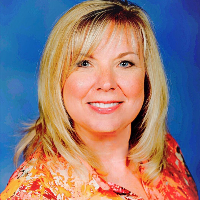
Dr. Phyllis Mogielski-Watson is a Licensed Professional Counselor, LPC and LPCC, with 30 years of experience. She works with stress, anxiety, relationship issues, grief, self-esteem, addictions, trauma, ADHD and communication problems among other concerns. She practices in Illinois and conducts sessions in English.
She keeps sessions practical and action-oriented. Clients talk through what is happening now and set clear, manageable goals. She uses methods that help people learn coping skills and make changes they can use day to day.
Her background includes work across clinical and community settings and experience supporting people through health and medical concerns. She has also worked with people facing life transitions, parenting strain, caregiving stress, and the effects of trauma and loss. That mix of settings informs how she blends therapeutic tools in sessions.
Dr. Mogielski-Watson draws on a client-centered frame alongside cognitive and emotion-focused methods. That means conversations center on the person's experience while also practicing skills to shift unhelpful thoughts and patterns. Attachment-based ideas guide work on relationship patterns and communication problems.
Sessions typically focus on identifying strengths, testing new behaviors, and tracking progress with concrete steps. She uses acceptance and values-based strategies when clients face hard feelings or chronic stress. People who want straightforward, skills-focused conversations about relationships, work, or mood find this approach useful.
How her therapeutic approaches translate to online work
Acceptance and Commitment Therapy (ACT) focuses on helping people notice difficult thoughts and feelings while choosing actions that align with their values. It is often used for chronic stress, anxiety, and life changes. Cognitive Behavioral Therapy (CBT) helps identify unhelpful thought patterns and practices alternative ways of thinking and behaving to reduce symptoms and improve coping. It is useful for anxiety, depression, and problem behavior. Attachment-Based Therapy looks at how early relationship patterns affect current communication and relationship responses and can be helpful when people struggle with closeness or repeated conflicts.Finding the right approach is part of the work. The therapist will review goals and preferences and collaborate on which methods to use. That way sessions can mix conversation and skill practice in a way that fits a person's needs.
Confirm the available session formats before booking, since formats are not specified here. Online work can make it easier to fit sessions into a busy week, reduce travel time, and allow shorter check-ins when schedules are tight. Some formats require less bandwidth or do not need video, which can help when a quieter setting is easier to arrange. Ask about current online options when you schedule to learn how sessions can fit into everyday life.
Areas of expertise
Primary focus
Also works with
Additional focus areas
Therapeutic approaches
Experience
30+ years
Credentials
Illinois, Ohio, Colorado, Arizona
Languages
English
Frequently asked questions
What kinds of concerns does she help with?
She works with stress, anxiety, relationship problems, grief, addictions, trauma, ADHD, communication problems and related life changes.
What is her approach in therapy?
Her style blends client-centered conversations with practical skills from cognitive behavioral and emotion-focused methods and acceptance-based strategies.
How much clinical experience does she have?
She has about 30 years of experience working in clinical and community settings with a range of adult concerns.
What are her credentials and location?
She holds LPC and LPCC credentials and practices in Illinois.
Which languages are supported and can international clients join?
Sessions are offered in English. International clients are not currently accepted.
What session formats are available?
Confirm current session options before booking, as the therapist's listed formats are not specified here.
How is cost handled?
Fees vary with location, and sessions use a subscription that can be canceled at any time.
How do I begin a first session?
Click the See online therapy options button, complete a short matching questionnaire, and schedule your first session.
Online talk therapy is not emergency care, and no counselor can promise how a conversation or a relationship will turn out. If you feel unsafe, call or text 988, or call 911. Crisis information