- client-centered methods
- attachment work
- Cognitive Behavioral Therapy
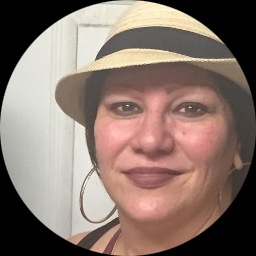
About Rochelle
Rochelle Nakoa is a Licensed Clinical Social Worker (LCSW) in Missouri with 13 years of experience. She works with a wide range of concerns including communication problems, trauma and abuse, addictions, depression, anxiety, grief, and relationship strain. Rochelle also addresses career stress, parenting and caregiver challenges, ADHD, and issues around intimacy and self-esteem.
She draws on client-centered principles to help people name what matters to them. Sessions focus on clear, practical steps such as putting thoughts on paper and organizing them to see patterns. Rochelle aims to reduce shame and burden so people can make choices that fit their lives.
Her background includes work in hospice, veteran readjustment counseling, and correctional mental health. Those roles involved both individual and group work and exposed her to a range of life stressors and trauma. That experience informs how she helps people manage coping, communication, and relationship problems.
In sessions she uses techniques from attachment-based work and cognitive behavioral approaches alongside client-centered methods. She also draws on existential ideas and elements of the Gottman Method when relationship issues arise. The focus is on straightforward tools and conversation, not on clinical jargon.
Rochelle works with English-speaking clients and accepts international clients. Cost varies with location and sessions use a subscription that can be canceled at any time. To begin, clients complete a short matching questionnaire and schedule a first session through the See online therapy options button.
How her therapeutic approaches translate to online work
Attachment-Based Therapy focuses on patterns of closeness and trust in relationships. It helps when communication feels blocked or when past hurts affect current interactions. Client-Centered Therapy places the person's experience at the center of sessions. The therapist listens without directing and helps clients name their goals and priorities. Cognitive Behavioral Therapy (CBT) looks at thoughts and behaviors that keep problems running. It uses practical exercises to change reactions and improve communication or mood.Finding the right mix of approaches is part of the work together. Rochelle will collaborate with each client to decide which methods fit their goals, preferences, and what feels useful in real life. That collaborative process guides whether sessions lean more toward skills practice, reflective exploration, or relationship-focused strategies.
The practical benefits of online therapy include fitting sessions into a busy week and reducing travel time. Many people find online meetings easier to schedule around work, caregiving, or medical appointments. Because the original profile does not specify session formats, confirm the current session options before booking to be sure they meet your needs.
Areas of expertise
Primary focus
Also works with
Additional focus areas
Therapeutic approaches
Experience
13+ years
Credentials
Missouri
Languages
English
Frequently asked questions
What communication and relationship concerns does she address?
She supports people with communication problems, intimacy-related issues, relationship strain, and patterns that lead to repeated arguments.
What is her therapeutic style like?
Her approach is client-centered, focusing on helping people name their needs and organize thoughts into clear steps for change.
What experience does she bring to therapy?
She has 13 years of clinical experience, including hospice care, veteran readjustment counseling, and correctional mental health work.
What credential and region should I know about?
She is an LCSW licensed in Missouri and practices under that credential.
Which languages are supported for sessions?
Sessions are offered in English.
Can international clients work with her?
She accepts international clients.
How does payment and cost work?
Cost varies with location and sessions use a subscription model that can be canceled at any time.
How do I begin working with her?
Use the See online therapy options button, complete a short matching questionnaire, and schedule a first session.
Online talk therapy is not emergency care, and no counselor can promise how a conversation or a relationship will turn out. If you feel unsafe, call or text 988, or call 911. Crisis information