- ACT and CBT methods
- EMDR for trauma
- Values focused work
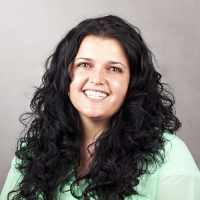
About Salina
Salina Mecham is a Licensed Clinical Social Worker (LCSW) and a Licensed Independent Clinical Social Worker (LICSW) with six years of clinical experience. She works with adults on concerns such as stress, anxiety, addictions, depression, trauma and abuse, grief, parenting, communication problems, and related life changes. Sessions are aimed at helping people say what they need, manage strong emotions, and handle recurring conflicts more clearly.
Salina trained at the University of Utah where she earned a bachelor’s and master’s degree in social work and a certification in substance use treatment. Her early work was in group homes and behavioral health settings, where she supported people in crisis and those struggling to function amid severe symptoms. She has experience across mental health and substance use care and has worked with both adults and adolescents.
Her approach combines several evidence-informed methods. She uses Acceptance and Commitment Therapy (ACT) to help people clarify their values and make steady changes. Cognitive Behavioral Therapy (CBT) and Dialectical Behavior Therapy (DBT) tools are used for skills work and emotion regulation. Attachment-based ideas inform how she looks at relationship patterns and communication difficulties.
Salina also uses client-centered practices to focus on what each person brings to therapy. She reports experience with EMDR for trauma and notes an eclectic stance when a single method won’t fit. She values direct feedback in sessions and adapts her approach when something isn’t working.
She currently practices in Utah and holds licenses in multiple states. Sessions and costs vary by location and use a subscription model that can be canceled at any time. To begin, prospective clients complete a short matching questionnaire and schedule a first session.
How her approaches translate to online sessions
Salina commonly draws on Acceptance and Commitment Therapy (ACT) to help people clarify what matters to them and take small practical steps toward those values. ACT is useful for anxiety, stress, and recurring conflicts because it focuses on action despite uncomfortable thoughts or feelings.She also uses Attachment-Based Therapy ideas to look at how early relationship patterns shape current communication. This perspective helps identify why certain conversations trigger old responses and guides strategies to respond differently. Client-Centered Therapy is another influence; it means sessions focus on what the person brings and on listening closely to understand their experience.
Deciding which approach to emphasize is collaborative. The therapist will discuss options, try methods in-session, and adjust based on what feels most helpful. Clients and the therapist set goals together and check in about progress and fit as therapy continues.
If you are considering online sessions, confirm the currently offered formats before booking. Practical benefits often include easier scheduling around work or family demands, fewer travel needs, and the ability to use shorter check-ins when time is limited. Phone visits can work when bandwidth is low or a shorter conversation is needed. Ask about specific session formats and how they match your daily routine before your first appointment.
Areas of expertise
Primary focus
Also works with
Additional focus areas
Therapeutic approaches
Experience
6+ years
Credentials
Utah, Washington, New Jersey, New Hampshire
Languages
English
Frequently asked questions
What kinds of communication problems does she address?
She helps people who avoid hard conversations, repeat the same conflicts, or have trouble saying what they need in relationships and at work.
How would you describe her therapy style?
The approach is practical and direct, mixing skills practice with values work and attention to relationship patterns.
How much clinical experience does she have?
She has six years of clinical experience working in group homes, behavioral health settings, and community services.
What are her credentials and where is she located?
She holds LCSW and LICSW credentials and is based in Utah, with licensure noted in multiple states.
Which languages are supported for sessions?
Sessions are offered in English.
What session formats are used?
Confirm the current session options before booking, as formats are arranged through the practice and may vary.
How are fees and payments handled?
Costs vary by location and sessions use a subscription that can be canceled at any time.
What are the first steps to start working together?
Select the See online therapy options button, complete the short matching questionnaire, and schedule a first session.
Online talk therapy is not emergency care, and no counselor can promise how a conversation or a relationship will turn out. If you feel unsafe, call or text 988, or call 911. Crisis information