- CBT focus
- DBT skills
- Mindfulness practice
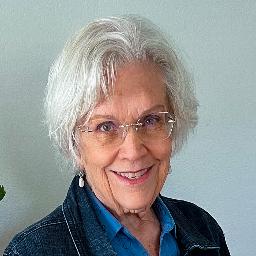
About Susan
Susan Keene is a Licensed Clinical Social Worker (LCSW) in Utah with 18 years of experience. She works with people facing stress, anxiety, depression, relationship strain, communication problems, addiction, grief, and parenting concerns. She also addresses trauma and abuse, ADHD, anger, and compassion fatigue.
Susan uses cognitive behavioral approaches that look closely at everyday thinking and self-talk. She asks clients to notice unhelpful thought patterns and to test those thoughts with practical exercises. She also draws on dialectical behavior strategies for emotional regulation and mindfulness practices to calm a triggered nervous system.
Sessions typically involve clear, direct discussion about what is happening now. Susan may look at how past trauma shows up today and try short exercises aimed at calming the body and changing responses. She combines clinical methods with life experience and perspectives from different spiritual traditions when helpful, without pushing any religious view.
She acknowledges that starting therapy can feel scary and that change takes work. Susan tends to prefer longer sessions for deeper conversation and practical skill practice. She asks new clients to read and sign a disclosure form and to try the platform tools such as the video session test before the first appointment.
Susan notes she is not a morning person and shares some professional preferences about past student work. People who are ready to look at thinking patterns, manage strong emotions, or improve how they communicate may find her style direct and practical.
How her approaches translate to online sessions
Susan uses cognitive behavioral work to identify unhelpful self-talk and test new ways of thinking. CBT sessions often include homework or short experiments to try between meetings, which can be discussed during online check-ins.She also uses dialectical behavior therapy skills to teach concrete techniques for managing intense emotions and improving interpersonal effectiveness. DBT-style practice focuses on breath, grounding, and brief exercises that can be shown and practiced in a video session. Mindfulness therapy is used to slow down reactivity and notice bodily signals, with short guided exercises suitable for remote sessions.
Finding the right approach is part of the work together. The therapist and client will review needs, goals, and preferences and decide which methods to prioritize. That process is collaborative and may shift as issues change.
Please confirm which session formats are currently offered before booking, as specific formats were not listed in the biography. Online sessions can help fit therapy into a busy schedule, allow longer focused conversations when useful, and let people try short skill practices without traveling to an office.
Areas of expertise
Primary focus
Also works with
Additional focus areas
Therapeutic approaches
Experience
18+ years
Credentials
Utah
Languages
English
Frequently asked questions
What concerns does she work with?
She works with stress, anxiety, depression, relationship strain, communication problems, addiction, trauma, grief, parenting issues, ADHD, and related concerns.
How would she describe her therapeutic style?
She emphasizes cognitive behavioral work that examines self-talk, adds DBT skills for emotion regulation, and uses mindfulness exercises to calm the nervous system.
How much clinical experience does she have?
She has 18 years of clinical experience as a practitioner in mental health settings.
What are her credentials and where is she based?
She is a Licensed Clinical Social Worker (LCSW) licensed in Utah and practices from that state.
Does she offer sessions in languages other than English?
Sessions are offered in English.
Are international clients accepted?
International clients are not accepted at this time.
How does pricing work for sessions?
Cost varies with location and sessions use a subscription model that can be canceled at any time.
What should I do to begin working with her?
Click the See online therapy options button, complete the short matching questionnaire, and schedule a first session through the platform.
Online talk therapy is not emergency care, and no counselor can promise how a conversation or a relationship will turn out. If you feel unsafe, call or text 988, or call 911. Crisis information