- CBT techniques
- Solution-Focused work
- Mindfulness tools
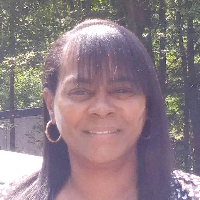
About Vicky
Vicky Burgh-Harris is a Licensed Clinical Social Worker (LCSW) licensed in New York with 20 years of experience. She works with adults on issues such as stress, anxiety, addictions, relationship struggles, self-esteem, depression, trauma and abuse, parenting concerns, anger, career changes, and communication problems. Sessions are direct and interactive, focused on practical steps clients can use right away.
She describes her style as open and honest. Sessions focus on setting clear goals and making concrete changes. She combines Client-Centered Therapy, Cognitive Behavioral Therapy (CBT), and Solution-Focused Therapy to help people identify patterns and try different ways of responding.
Vicky also uses mindfulness practices and Motivational Interviewing tools when they fit a person's goals. These methods are used to slow down strong reactions, increase awareness of choices, and build motivation for change. She encourages short experiments between sessions so people can test what works.
Her background includes two decades of clinical practice in New York. That experience includes work with a broad range of life challenges and addictive behaviors. She explains interventions in plain terms and sets small, achievable steps for progress.
Practical matters are part of the work. Cost varies by location and sessions use a subscription that can be canceled at any time. To begin, people complete a short matching questionnaire and then schedule a first session.
How therapeutic approaches come together online
Vicky uses Cognitive Behavioral Therapy (CBT) and Solution-Focused Therapy as core parts of her work. CBT looks at the links between thoughts, feelings, and actions to find small changes that reduce distress. Solution-Focused Therapy concentrates on clear goals and short steps that help people move away from repeating unhelpful patterns.She also integrates Client-Centered Therapy to keep the work collaborative. That means she works with clients to choose which approaches to try based on their needs and preferences. Figuring out the right mix of methods is part of the first sessions and adjustments are made as goals evolve.
The original biography does not list specific online formats, so confirm available session types before booking. Online work can make it easier to fit therapy into a busy week, allow shorter check-ins when needed, and reduce travel time. Therapists often use video when a visual connection helps, and phone sessions when bandwidth or a quicker session is preferable. Discussing practical arrangements comes during scheduling so sessions fit into daily life.
Areas of expertise
Primary focus
Also works with
Additional focus areas
Therapeutic approaches
Experience
20+ years
Credentials
New York, Arizona
Languages
English
Frequently asked questions
What communication concerns does she address?
She helps people who avoid hard conversations, repeat the same arguments, or struggle to say what they need. Communication problems are listed among her focus areas.
What is her therapeutic style?
Her style is described as open, honest, and interactive. Sessions emphasize setting goals and trying practical steps between meetings.
How much clinical experience does she have?
She has 20 years of experience working in clinical settings with a wide range of adult concerns.
What credentials and location apply to her practice?
She is an LCSW licensed in New York. Her listed practice location is New York.
Which languages are supported and can international clients work with her?
Sessions are offered in English. She is not accepting international clients at this time.
What session formats are offered?
The original biography does not specify session formats. Confirm the current session options directly before booking.
How are sessions billed?
Cost varies with location and sessions use a subscription model that can be canceled at any time.
How do I begin working with her?
Start by selecting the See online therapy options button, completing the short matching questionnaire, and scheduling a first session.
Online talk therapy is not emergency care, and no counselor can promise how a conversation or a relationship will turn out. If you feel unsafe, call or text 988, or call 911. Crisis information