- CBT methods
- Solution-focused work
- Motivational interviewing
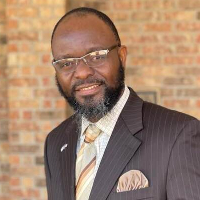
About Wilfred
Wilfred Manyango is a Licensed Professional Counselor (LPC) in Texas with six years of clinical experience. He works with concerns such as stress, anxiety, depression, relationship problems, trauma and abuse, grief, self-esteem, and communication problems.
He combines practical conversation with structured techniques to help people name their priorities and try small changes. Sessions focus on what is happening now and on skills that can ease daily stress. He also draws on his background as an academic and success coach to address career and school-related concerns.
Wilfred uses approaches like cognitive behavioral methods to identify unhelpful thoughts and solution-focused strategies to set short-term goals. He aims to help people spot patterns that keep leading to the same arguments or stuck behaviors and then rehearse different ways of responding.
Clients who have faced trauma, domestic violence, immigration stress, or major life change can expect a steady, problem-solving orientation that looks for practical next steps. He also works with grief, forgiveness, and issues tied to family of origin and fatherhood.
Throughout his work he emphasizes a respectful therapeutic relationship and collaborative planning. That means laying out clear options, checking what feels useful, and adjusting the approach as needs change. The profile reflects his practice in Texas and sessions are conducted in English.
How Wilfred brings evidence-based methods to online work
Client-Centered Therapy focuses on listening and reflecting what matters to the client so they feel understood; it helps when people want a respectful space to sort priorities and decide on next steps. Cognitive Behavioral Therapy (CBT) looks at how thoughts, feelings, and actions connect and offers practical exercises to change unhelpful patterns; it is useful for anxiety, depression, and communication problems. Motivational Interviewing helps people clarify their own reasons for change and build momentum when ambivalence is holding them back. Choosing the right approach is a collaborative process. The therapist will discuss options, try methods most likely to help with the current concern, and adjust based on what the client finds useful. Clients are invited to give feedback so the work stays focused and relevant to their goals. Session formats are not specified in the biography, so confirm current online options before booking. Online work can make it easier to fit counseling into a busy week, allow shorter check-ins when needed, and reduce travel time. Therapists can use the approaches above during remote sessions to practice new communication skills, set short-term goals, and track progress over time.Areas of expertise
Primary focus
Also works with
Additional focus areas
Therapeutic approaches
Experience
6+ years
Credentials
Texas
Languages
English
Frequently asked questions
What concerns does he address?
He works with stress, anxiety, depression, relationship issues, trauma and abuse, grief, self-esteem, and communication problems among other areas.
What is his therapeutic style?
He uses a mix of client-centered conversation and structured techniques like cognitive behavioral strategies and solution-focused work to set short-term goals.
How much experience does he have?
He has six years of clinical counseling experience, plus over ten years in academic and success coaching roles.
What credentials and location are listed?
He is an LPC, Licensed Professional Counselor, practicing in Texas.
Which languages are supported?
Sessions are offered in English only.
Can international clients work with him?
He is not currently accepting international clients.
How are sessions paid for?
Cost varies with location and sessions use a subscription that can be canceled at any time.
How do I begin a first session?
Select the See online therapy options button, complete a short matching questionnaire, and schedule a first session.
Online talk therapy is not emergency care, and no counselor can promise how a conversation or a relationship will turn out. If you feel unsafe, call or text 988, or call 911. Crisis information