- CBT methods
- EMDR techniques
- Attachment focus
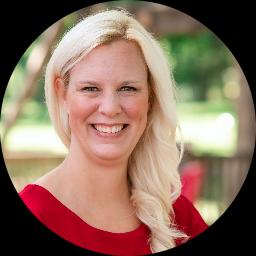
About Jacqueline
Jacqueline Rafter is a licensed clinical social worker with ten years of experience. She holds a California LCSW and a Michigan LMSW. She works with people facing relationship strains, trauma and abuse, ADHD, anxiety, stress, anger, parenting challenges, career changes, and communication problems.
Rafter focuses on practical skills people can use right away. She uses Cognitive Behavioral techniques and EMDR methods alongside attachment-based ideas. Sessions tend to include direct conversation about patterns, skill practice, and steps to handle hard moments differently.
She often helps people who struggle with difficult romantic or family dynamics, low self-worth, or coping after abuse. She also works with those managing chronic illness, caregiver stress, first responder strain, and issues tied to alternative sexual culture such as BDSM and kink. Communication problems are a common thread in her work.
Her approach is interactive and straightforward. Clients can expect to talk about concrete behaviors, learn coping strategies, and try new ways of relating. Rafter also uses techniques aimed at processing past upsetting events when needed.
Rafter practices from Michigan and holds licensure in California and Michigan. Sessions follow a subscription model that can be canceled at any time. Prospective clients are asked to complete a short matching questionnaire before scheduling a first session.
How her approaches translate to online work
Attachment-Based Therapy looks at how early relationships influence present patterns. It focuses on recognizing connection needs and how people respond when those needs feel threatened, which can help with communication and commitment concerns.Cognitive Behavioral Therapy (CBT) targets the thoughts and behaviors that keep problems going. CBT sessions include practicing new responses, testing unhelpful beliefs, and building concrete skills for anxiety, anger, or stress.
EMDR techniques are used to process upsetting memories and reduce their disruptive pull. This can be useful for people who carry trauma into current relationships and communication.
Choosing the right approach is part of the work. The therapist will review your goals and preferences and help decide which methods to try. That decision is collaborative and may change as work progresses.
If you are considering online sessions, confirm the available session formats before booking. The practice uses a subscription billing model that can be canceled at any time. Online work can make it easier to fit sessions into busy schedules, allow for shorter check-ins when needed, or avoid travel on workdays. Talk with the therapist during the matching questionnaire about what will fit your routine and needs.
Areas of expertise
Primary focus
Also works with
Additional focus areas
Therapeutic approaches
Experience
10+ years
Credentials
Michigan, Indiana, California
Languages
English
Frequently asked questions
What concerns does she address?
She works with relationship strain, trauma and abuse, ADHD, anxiety, anger, parenting challenges, career change, and communication problems.
What is her therapy style like?
Sessions are direct and interactive, with conversation about patterns and practical skill teaching for managing difficult moments.
How much clinical experience does she have?
She has ten years of experience working with a range of concerns including trauma, relationship issues, and stress.
What credentials and location should I know?
She holds a California LCSW and a Michigan LMSW and practices from Michigan.
Which languages are supported for sessions?
Sessions are offered in English.
Does she work with international clients?
She does not accept international clients at this time.
How are session costs handled?
Cost varies with location; sessions use a subscription that can be canceled at any time.
How do I begin scheduling a session?
Select the See online therapy options button, complete a short matching questionnaire, and then schedule your first session.
Online talk therapy is not emergency care, and no counselor can promise how a conversation or a relationship will turn out. If you feel unsafe, call or text 988, or call 911. Crisis information